Is Breathwork Safe? What to Know Before You Start
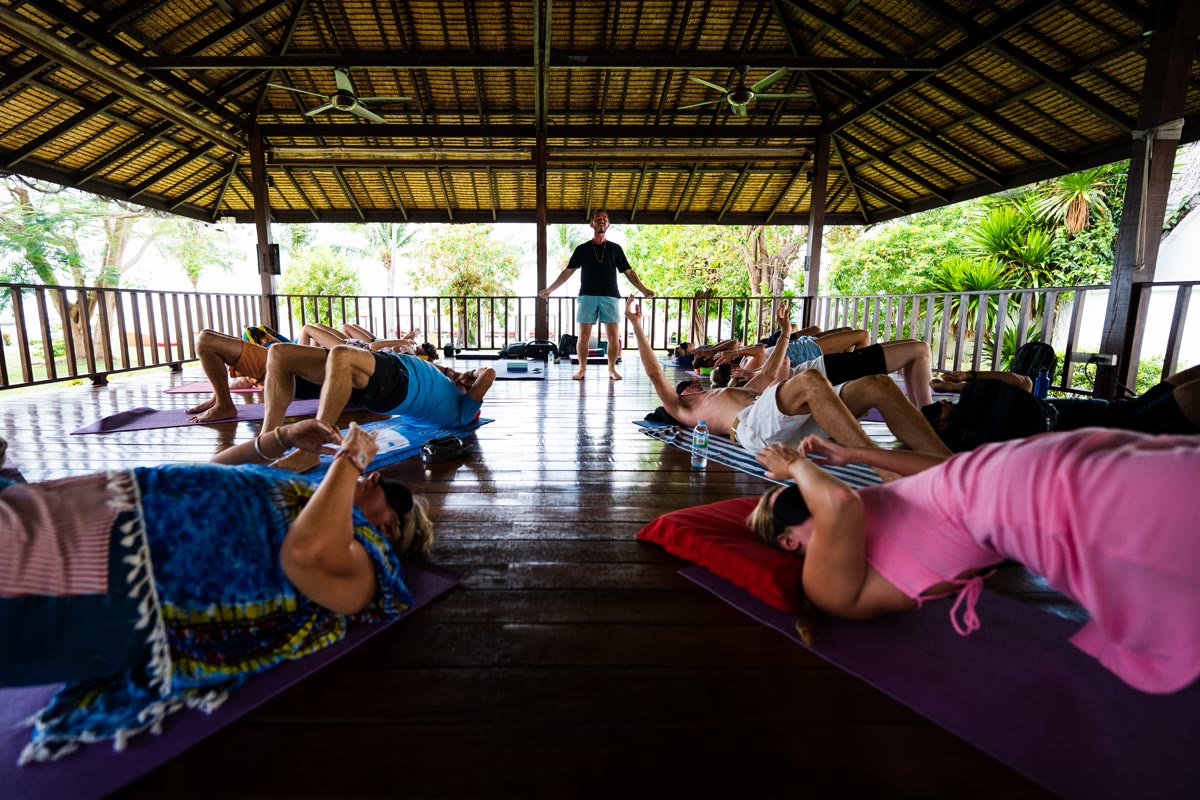
For most healthy people, breathwork is safe and the side effects are mild and temporary. The real risks are specific. Pregnancy, serious cardiovascular conditions, epilepsy, recent surgery, and acute mental health crises all mean you should avoid strong breathwork or clear it with a doctor first.
I have run breathwork on Koh Samui since 2020. I was the first on this island to offer dedicated breathwork and ice baths, and I have held space for more than 5,000 people across over 500 sessions. In all that time the pattern is clear. For the large majority of people this work is safe and the worst that happens is a few minutes of tingling hands. But there is a smaller group for whom strong breathwork is genuinely not appropriate, and the responsible thing is to name them plainly rather than pretend everyone can do everything.
This is the honest version. Not a sales page, not a scare piece. What the risks actually are, who should be careful, and how to do this safely.
Is breathwork safe for most people?
Yes. For a healthy adult with no major heart, neurological, or psychiatric conditions, breathwork is one of the safest practices you can do. The most common effects are tingling, light headedness, and muscle cramping, and all of them pass on their own within minutes once breathing returns to normal.
Slow breathing, long exhales, box breathing, and coherent breathing carry almost no risk for a healthy person. These are the patterns I teach first and the ones you can practice on your own. Strong active breathwork, the kind that runs for thirty or forty minutes and brings emotional release, asks more of your system. It is still safe for most people, but it is the category where the contraindications below actually matter. If you are new, start gentle and read how to prepare for breathwork before your first strong session.
What are the real contraindications for breathwork?
Strong breathwork is not appropriate during pregnancy, with serious cardiovascular conditions, with epilepsy or a seizure history, after recent surgery, or during an acute mental health crisis. These are not soft suggestions. They are the situations where intense breathing can do real harm, and a good facilitator screens for every one of them.
Here is what each one means in practice. Pregnancy: avoid intense breath holds and hyperventilation style breathing, slow breathing is usually fine. Cardiovascular conditions, including high blood pressure, heart disease, and a history of aneurysm or stroke: the up regulating patterns put load on the system, so clear it with your doctor first. Epilepsy or seizure history: fast breathing can lower the seizure threshold. Recent surgery: your body needs to heal before you stress it. Acute psychiatric crisis, active psychosis, or being in an unstable place with severe trauma: strong breathwork can surface more than you are ready to hold. When in doubt, talk to your doctor before you book anything.
What is the tingling and cramping during breathwork?
The tingling in your hands, face, and feet is called tetany. It is a temporary shift in blood chemistry caused by breathing out more carbon dioxide than usual. It feels strange but it is harmless, it is not a sign of damage, and it passes completely within a few minutes of slowing your breath.
I tell people this before every strong session because the tingling can be intense. Hands can curl, the jaw can tighten, the body can buzz from head to toe. None of it is dangerous. It is the predictable result of active breathing and it resolves the moment you breathe normally again. The reason it matters that someone tells you in advance is simple. If you do not know it is coming, your mind reads it as something going wrong and the fear makes the whole experience harder. If you know what it is, you relax into it and it becomes part of the journey. For more on what comes up in a full session, read what happens in a breathwork session.
Why does a trained facilitator matter?
A trained facilitator screens your health history, adjusts the intensity to your body in real time, and knows how to bring you down safely if something difficult surfaces. Strong breathwork can open emotional material fast. Doing it alone from a video means nobody is there to catch you if it goes deeper than expected.
The gentle patterns you can absolutely learn yourself. Where guidance earns its place is the strong work. In a real session I ask about your health before you lie down, I watch your body the whole way through, and I change the pace based on what I see rather than running a fixed protocol. When something heavy comes up, and it does, I know how to slow you and ground you instead of leaving you stranded in it. That is the difference between a practice and a gamble. If you want to learn to hold this safely for others, that is the whole point of the facilitator course.
When should you not do strong breathwork?
Skip strong breathwork if you are unwell, exhausted, drunk or high, or in the middle of an acute crisis. Never do intense breathing in or near water, in a moving vehicle, or standing up. The light headedness is normal but it means you must be lying down somewhere safe.
Common sense covers most of it. Do not do a strong session the day you are running on no sleep and a hangover, you will get a hard ride and little benefit. Do not breathe intensely in a pool, a bath, or the sea, because a breath hold near water is how people drown. And always be lying down for active breathwork so that if you go light headed you are already safe. The slow regulating patterns you can do anywhere, anytime, which is part of what makes them so useful. For a calming pattern you can lean on daily, the work in breathwork for anxiety is a good place to start.
Try it safely in Koh Samui
Everything I run is built around screening first and meeting your nervous system where it is. The weekly group sessions are the gentle way in. The full day UNTAMED experience goes deeper, with a long breathwork journey and a real ice bath, all coached. Before any of it, tell me your health conditions honestly. That is not a formality. It is how this stays safe.
A note on health. This article is general education, not medical advice. Breathwork does not cure any condition and it does not replace medical or psychological care. If you have a health condition, are pregnant, or take medication, talk to your doctor before starting, and always disclose your full health history to any facilitator before a session.
Frequently asked questions
Can breathwork be dangerous?
For most healthy people, no. The mild effects like tingling and light headedness pass on their own. It becomes risky in specific cases: pregnancy, serious heart conditions, epilepsy, recent surgery, or an acute mental health crisis, and when intense breathing is done near water or standing up. Screen for those and lie down, and the risk is very low.
How do I know if breathwork is safe for me?
Check the contraindications first. If you are pregnant, have a cardiovascular condition, have epilepsy or a seizure history, have had recent surgery, or are in an acute psychiatric crisis, clear it with your doctor before strong breathwork. If none of those apply and you are a healthy adult, you are almost certainly fine. Tell your facilitator your full health history regardless.
Is it normal to feel dizzy or tingly during breathwork?
Yes. The tingling is tetany, a harmless temporary shift in blood chemistry from active breathing. Light headedness is also normal. Both pass within minutes once you slow your breath. This is exactly why you do strong breathwork lying down, never standing or near water. If you know it is coming, it stops being frightening and becomes part of the experience.
Can I do strong breathwork on my own from a video?
Gentle patterns like box breathing and long exhales, yes. Strong active breathwork, not for your first sessions. It can surface emotional material fast, and you want someone there who can read your body and bring you down safely if it goes deep. Learn the strong work with a trained facilitator first, then practice it solo once you know your own response.
Stay in the loop.
Occasional dispatches when sessions open or new writing drops. No spam.
About Diego Pauel
I have lived in Koh Samui for 15 years. I discovered breathwork through freediving, which I have trained in for over a decade. When COVID hit and the island emptied out, I started offering breathwork and ice baths for free to help the local community feel better in their bodies. I was the first to offer this work on the island. Five years later, I have facilitated countless sessions for people from all over the world. No guru energy. No mystical language. Just the work.
Full story →