What Happens in a Breathwork Session (From Someone Who Has Facilitated Hundreds)
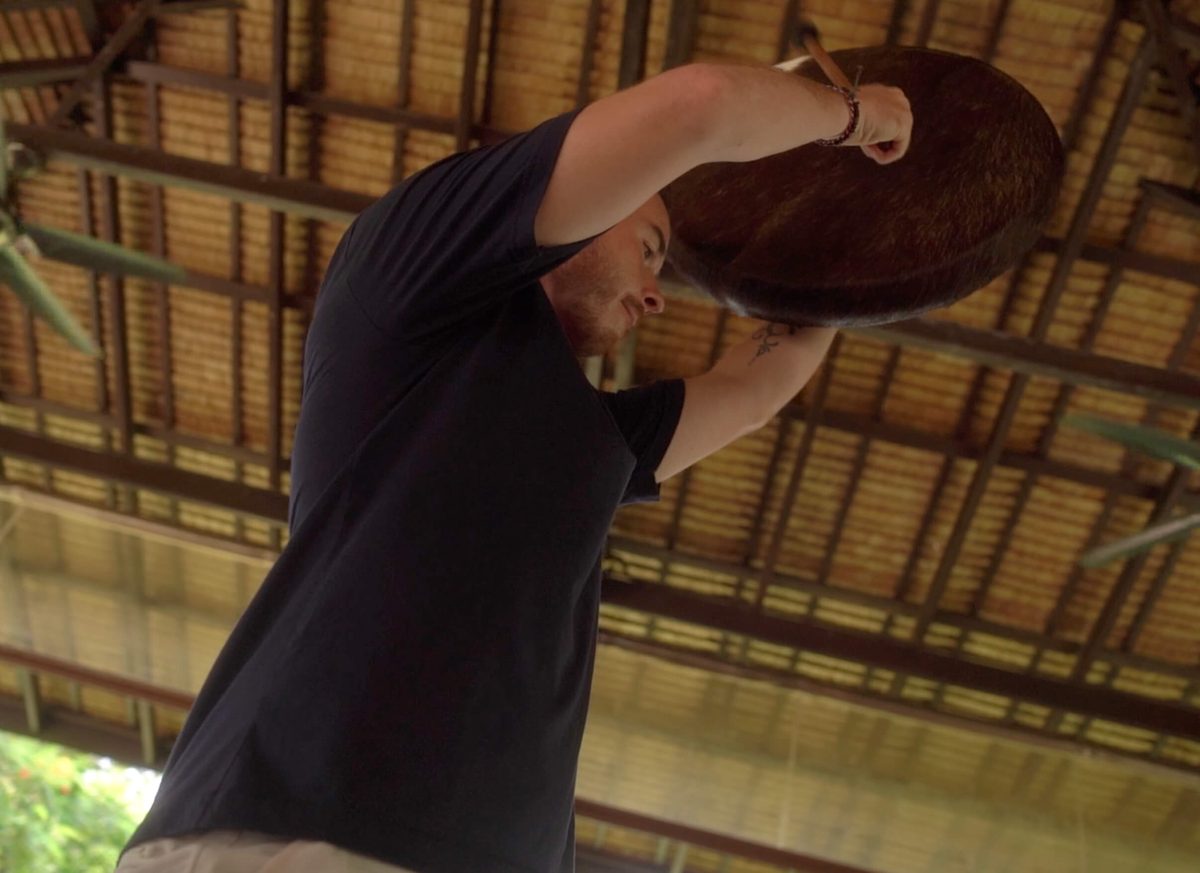
The most common question I get before someone tries breathwork for the first time is "what is actually going to happen?"
A breathwork session starts with a short conversation and health screening, then you lie down with eyes closed while I guide continuous connected breathing with my voice. In the first minutes you may feel tingling or buzzing lips, which is normal. Whatever comes up, tears, shaking, laughter, or nothing, is a valid response.
Fair question. Because most descriptions of breathwork are either too vague to be useful or so wrapped in spiritual language that practical people tune out. You read things like "a journey into expanded consciousness" or "releasing stored trauma through the breath" and you think: okay, but what does that actually mean? What am I going to feel? What is going to happen in my body? Is it going to be weird?
I have facilitated hundreds of breathwork sessions over the last five years. Private sessions. Group workshops. Full day experiences. People from every background, every age, every level of skepticism. Here is what actually happens.
Before the Session
I ask a few questions. Not a medical form. A conversation. Have you done breathwork before? What brought you here? Is there anything going on physically that I should know about? Are you on any medications?
These questions matter because breathwork is not one size fits all. Certain breathing patterns are not suitable for people with certain conditions. Pregnancy, epilepsy, uncontrolled high blood pressure, recent surgery. A responsible facilitator screens for these things. If someone does not ask you these questions before a breathwork session, that tells you something.
Then I explain what we are going to do. The breathing pattern. What it might feel like. What is normal and what is not. I tell people that whatever comes up is okay. Tears, laughter, shaking, nothing at all. All of it is a valid response. There is no wrong way to do this.
The Setup
You lie down on your back. Usually on a mat with a blanket available if you want it. Eyes closed. Music playing, usually instrumental with a building arc that follows the session structure.
The room is dim. The atmosphere is intentionally calming. This matters because your nervous system reads environmental cues. Bright lights and hard surfaces keep you in a guarded state. Soft lighting and comfortable positioning signal safety. Your body needs to feel safe before it will let you go deep.
The Breathing Pattern
There are many types of breathwork. What I primarily use is conscious connected breathing, sometimes called circular breathing. It is a continuous breathing pattern with no pause between the inhale and the exhale.
The basic pattern: inhale through the mouth into the belly, then into the chest. Exhale through the mouth with a relaxed release. No pause at the top. No pause at the bottom. Continuous. Like a wave.
I guide the pace with my voice. We start slower and build. The rhythm of the breath, combined with the continuous nature of it, creates specific physiological changes that do not happen with normal breathing.
You do not need to remember the pattern in advance. I guide every breath. All you need to do is follow my voice and keep breathing.
What Happens in Your Body (Minutes 1 to 10)
The first few minutes feel ordinary. You are breathing a bit faster and deeper than usual. It feels like mild exercise. Your hands might start to tingle. Your lips might feel buzzy. This is completely normal. It is caused by a temporary shift in blood CO2 levels as you breathe more than your body is used to.
Some people feel lightheaded. Some feel warmth spreading through their body. Some feel nothing yet. All normal.
By about minute five to seven, the breathing starts to feel less effortful. You stop thinking about the technique and start just breathing. This is the transition point where the breath starts doing the work rather than you managing it.
What Happens in Your Body (Minutes 10 to 25)
This is where things get interesting.
As the continuous breathing pattern sustains, your nervous system begins to shift. The thinking brain, your prefrontal cortex, gets quieter. The parts of your brain associated with emotion, memory, and sensation get louder. It is not a drug. It is not hypnosis. It is a natural physiological response to altered breathing patterns, similar in some ways to what experienced meditators access after long periods of practice.
What people experience varies widely, and that is the honest truth. There is no single "breathwork experience." Here is the range of what I see regularly:
Physical sensations. Tingling in the hands, feet, or face. Waves of warmth or cold. Involuntary muscle tension, especially in the hands (called tetany, caused by the shift in blood pH). Pressure in the chest. A feeling of heaviness or lightness. Sometimes trembling or shaking as the body releases held tension.
Emotional releases. Tears are common. Not always sad tears. Sometimes relief. Sometimes grief that has been sitting there for years. Sometimes laughter that comes out of nowhere. The continuous breathing pattern seems to bypass the mental filters that normally keep these emotions locked down. When the thinking mind gets quiet, the feeling body gets loud.
Mental experiences. Some people see images or colors behind their closed eyes. Some have memories surface that they had not thought about in years. Some have moments of clarity about a situation in their life. Some think about nothing at all and simply ride the physical sensations. None of these are "better" than the others. The breath gives each person what they need in that moment.
Nothing dramatic. And this is important to say. Some people feel relaxed and calm and not much else. That is also a session working. Not every session is a watershed moment. Sometimes the nervous system just needs a reset, not a revelation.
What the Facilitator Is Doing
While you are breathing, I am reading the room. Every person in the session is having a different experience, and my job is to hold all of it without interfering with any of it.
I watch breathing patterns. If someone is breathing too shallow or too fast, I adjust my guidance. If someone stops breathing, which happens more than you would expect, I bring them back. If someone is crying, I make sure they know they are held without interrupting their process. If someone looks panicked, I come close and ground them with my voice.
The skill of facilitation is knowing when to intervene and when to do nothing. Most of the time, doing nothing is the right call. The breath is doing the work. The facilitator is there to hold the space, not to direct the experience.
This is the part that weekend certifications get wrong. You can teach someone a breathing technique in an afternoon. Teaching them how to read a room full of people in various states of vulnerability, how to stay calm when someone is having an intense emotional release, how to create safety without creating dependency, that takes time. That is why the facilitator training is 21 days, not a weekend.
The Come Down (Minutes 25 to 35)
I gradually slow the breathing pattern. The intensity decreases. The music shifts. You move from the active breathing phase into a rest phase where you breathe normally with your eyes still closed.
This is often the most powerful part. The active breathing stirs things up. The rest phase is where integration happens. Where the dust settles. Where insights land. Where the body processes whatever came up.
People often feel deeply relaxed in this phase. Some fall asleep. Some feel a profound sense of stillness they have not experienced in years. The thinking mind is still quiet, and without the intensity of the active breathing, there is just space. That space is where shifts happen.
After the Session
You sit up slowly. There is no rush. I typically allow a few minutes of silence before any talking. The transition from the internal experience back to the social world is important and should not be rushed.
How people feel afterward varies. The most common description: "I feel lighter." Like something has been put down that they did not realize they were carrying. Others feel tired. Others feel energized. Others feel emotional. All normal.
I recommend drinking water, eating something grounding, and avoiding screen time for at least an hour. The nervous system is in a sensitive state after breathwork, and re-immersing in stimulation immediately can undo some of what was released.
Some effects continue for hours or even days. Better sleep that night is extremely common. Feeling emotionally open or tender for a day or two. Noticing things you normally overlook. These are signs that the nervous system is integrating the experience.
Is It Safe?
Yes, with a qualified facilitator and proper screening.
The physical sensations, the tingling, the lightheadedness, the muscle tension, are all temporary and resolve within minutes of returning to normal breathing. They are caused by well understood changes in blood chemistry, not by anything harmful.
The emotional releases can feel intense, but they are not dangerous. They are the body doing exactly what it is designed to do: process and release. A good facilitator creates the safety for that to happen without pushing it.
The situations where breathwork carries risk are specific: pregnancy, epilepsy, severe cardiac conditions, recent surgery, certain psychiatric conditions. This is why screening matters. This is why working with someone who understands contraindications matters.
If You Want to Experience It
If you are in Koh Samui, the most immersive option is UNTAMED, a full day experience that includes extended breathwork, cold exposure, and guided reflection.
For groups, private workshops run two hours and can be designed around your group, whether that is a team, a retreat, or friends traveling together.
If you have questions or want to know which session fits what you are looking for, message me on WhatsApp. I will give you a straight answer.
Keep Reading
Frequently asked questions
What actually happens during a breathwork session?
You lie down on your back, eyes closed, with music playing and the lights dim. I guide you through conscious connected breathing, a continuous pattern with no pause between inhale and exhale. In the first ten minutes your hands might tingle and you breathe a bit faster than usual. From minute ten to twenty-five the thinking brain quiets and emotion, memory and sensation get louder. Then I slow the breath for a rest phase where integration happens.
What will I feel physically during breathwork?
Commonly tingling in the hands, feet or face, waves of warmth or cold, and sometimes involuntary muscle tension in the hands called tetany. You may feel pressure in the chest, heaviness or lightness, or trembling as held tension releases. These are caused by well understood, temporary shifts in blood chemistry from breathing more than your body is used to, and they resolve within minutes of returning to normal breathing. They are not harmful.
Is breathwork safe?
Yes, with a qualified facilitator and proper screening. The tingling, lightheadedness and muscle tension are temporary and caused by well understood changes in blood chemistry, not anything harmful. Emotional releases can feel intense but are not dangerous. The situations where breathwork carries real risk are specific, including pregnancy, epilepsy, severe cardiac conditions, recent surgery and certain psychiatric conditions. That is exactly why a responsible facilitator screens you before you begin.
Do I need to feel something dramatic for the session to work?
No. There is no single breathwork experience. Some people cry, some laugh, some see images or recover old memories, and some simply feel relaxed and not much else. Feeling calm and quiet is also a session working. Not every session is a watershed moment. Sometimes the nervous system just needs a reset, not a revelation. The most common description afterward is feeling lighter, like setting down something you did not realize you were carrying.
How should I feel after a breathwork session?
You sit up slowly with no rush, and I allow a few minutes of silence before any talking. People feel different things. Lighter is the most common, but some feel tired, energized or emotional, and all of it is normal. I recommend drinking water, eating something grounding and avoiding screens for at least an hour. Better sleep that night is very common, and you may feel emotionally open for a day or two as your system integrates.
Stay in the loop.
Occasional dispatches when sessions open or new writing drops. No spam.
About Diego Pauel
I have lived in Koh Samui for 15 years. I discovered breathwork through freediving, which I have trained in for over a decade. When COVID hit and the island emptied out, I started offering breathwork and ice baths for free to help the local community feel better in their bodies. I was the first to offer this work on the island. Five years later, I have facilitated countless sessions for people from all over the world. No guru energy. No mystical language. Just the work.
Full story →