How to Prepare for Your First Breathwork Session
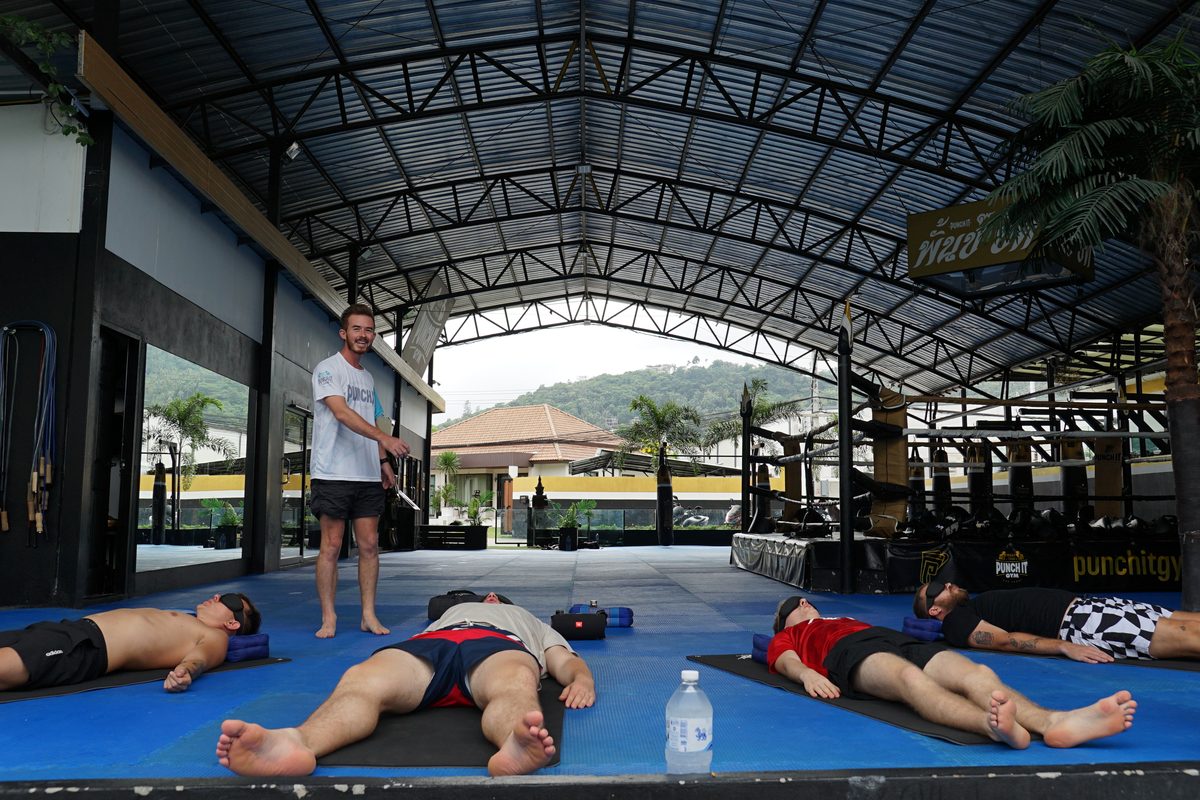
Most people come to their first breathwork session with some combination of curiosity and mild dread. They have heard that things happen. They are not sure what. They want to be ready, but they do not know what ready looks like.
After guiding over 5,000 people through breathwork sessions, I can tell you what actually matters and what you can stop worrying about.
What Should I Eat Before a Breathwork Session?
Do not eat a full meal in the two to three hours before your session. Breathwork moves a lot of energy through the body, and a full stomach often means managing nausea instead of being present. A light snack one to two hours before is fine. Morning sessions are usually done fasted or with just coffee or tea.
Do not eat a full meal in the two to three hours before your session. This is the most practical piece of advice I can give you, and also the one most people overlook.
Breathwork involves active, continuous breathing that moves a lot of energy through your body. If you have a full stomach, you will spend part of your session managing nausea instead of being present for what is happening. Not everyone reacts this way, but enough people do that it is not worth finding out.
A light snack one to two hours before is fine. Fruit, a small handful of nuts, something easy. If your session is in the morning, most people do it fasted or with just coffee or tea. If it is in the afternoon, eat a normal lunch and then stop.
Stay well hydrated in the hours before. Not drinking extra water right before, just your normal daily hydration. Arriving dehydrated makes the physical sensations more intense and less pleasant.
What Should I Wear to Breathwork?
Wear comfortable clothes you can breathe in. You will be lying down for most of the session, so anything tight around your waist or chest becomes irritating fast. Choose loose pants and a comfortable top, and bring layers, because body temperature can shift noticeably during a session. No special yoga clothing is needed.
Comfortable clothes you can breathe in. That is the whole instruction.
You will be lying down for most of the session. Anything tight around your waist or chest will become irritating within the first ten minutes. Loose pants, a comfortable top, nothing constricting. Layers are helpful because your body temperature can shift during the session, sometimes significantly. Some people get very warm. Some people get cold.
No need for yoga clothes or anything special. What you would wear to relax at home is exactly right.
One detail people miss: the temperature swing is real and it catches them off guard. During the active breathing phase the body often heats up and people throw off whatever they are under. Then, in the integration phase at the end, the same body cools down fast and they get cold lying still on the mat. I keep blankets on hand for exactly this, but if you run cold, bring a layer and a pair of socks. Being cold during integration pulls you out of the very state you spent forty minutes getting into. Small thing, big difference to what you take home from the session.
If we are doing the UNTAMED full day, bring a change of clothes and a swimsuit. The ice bath is part of the experience, and you will want dry clothes afterward.
What Happens in Your Body
The breathwork pattern most commonly used is continuous circular breathing: inhale, exhale, inhale again, with no pause at the top or bottom. It feels slightly unnatural at first because your body is used to a brief rest between breaths. Within a few minutes, you stop noticing the pattern and just breathe.
As carbon dioxide levels shift and oxygen moves differently through your system, you will likely feel tingling. Hands, feet, face, around the mouth. This is normal. It is called tetany in its more intense form, and it is not dangerous. It resolves completely on its own once the breathing slows.
Some people feel warmth moving through their body. Some feel heaviness, like being pressed into the mat. Some feel very light. Some feel waves of emotion with no clear source. All of these are normal responses to the breath. There is no wrong experience.
Muscle tension in the hands is common and tends to surprise people. Your hands may curl into a claw shape during the active breathing phase. This happens because the drop in CO2 shifts your blood pH, which changes how calcium ions bind. It looks alarming but it is not dangerous. It resolves completely within minutes of returning to normal breathing. I explain this to every group before we start because the first time it happens, people think something is wrong. Nothing is wrong. It is a sign the breath has reached the depth where real work happens. The somatic breathwork article explains why these physical shifts often come with emotional release.
What Happens Emotionally
This is the part people are actually curious about when they ask how to prepare.
Breathwork bypasses the thinking mind. That is both the point and the thing that makes people nervous. Your analytical brain, the part that manages your presentation and decides what to feel in which social context, quiets down. What is underneath gets space to move.
For some people this means tears. Not necessarily from sadness. Sometimes it is relief. Sometimes it is something that needed to move and finally did. Sometimes people laugh. Sometimes nothing dramatic happens at all and they just feel deeply relaxed in a way they have not felt in months.
You cannot predict your experience ahead of time, and trying to control it will work against you. The breath will meet you where you are. What that looks like depends on what you are carrying that day, which you will not know until you are in the session.
The best preparation for the emotional side is simply deciding in advance that whatever happens is okay. Whatever comes up is information. You do not have to understand it in the moment. You just have to let it move.
Is Breathwork Safe, and Will I Lose Control?
Breathwork is safe for the vast majority of people, and no, you will not lose control. You stay in your body the whole time, and the moment you breathe normally the experience softens. The common fears, crying in front of strangers, doing it wrong, nothing happening, are all normal and none of them are a problem.
People worry they will lose control. You will not lose control. You are in your body the whole time. If at any point you want to slow down or stop, you just breathe normally. The experience softens immediately. Nobody has ever been taken somewhere they could not come back from.
People worry they will cry in front of strangers. This happens, yes. It also happens that the person next to you cries, and you feel nothing but respect for them. Group breathwork creates a context where emotional responses are normal and expected. The social dynamic is different from your office or a dinner party. Nobody is judging anyone for being human.
People worry they are not doing it right. There is no perfect technique to master. There is just breathing continuously and letting your body respond. If you are breathing, you are doing it right. Even if your breath feels shallow or unsteady, the practice is working.
People worry nothing will happen. Sometimes the first session is quiet. Your system is learning to trust the process. The second session is usually deeper. If your first experience is calm and restful rather than dramatically shifting, that is still a useful session. Your nervous system needed rest and that is what it took.
Before the Session
Arrive without rushing. Give yourself a few minutes to settle before we start. Leave your phone in your bag or turn it off. The hour of uninterrupted quiet matters more than most people realize, and it starts before the breathing does.
Tell me before we begin if you have any medical conditions I should know about. Breathwork is safe for the vast majority of people, but there are specific conditions where modifications are needed. Pregnancy, epilepsy, severe cardiovascular conditions, recent surgery. If you have any of these, mention it. We can adjust accordingly or discuss whether this is the right time.
If you are on medication that affects your nervous system, mention that too. Not because breathwork is dangerous, but because I want to hold the space appropriately for where you are.
After the Session
This part most people do not think about, and it matters as much as the session itself.
Do not schedule anything demanding immediately after. Give yourself at least an hour of slow time. Preferably more. Your nervous system has just done significant work, and the integration happens in the hours after the session, not during it. Some of the most important shifts happen while you are sitting quietly, walking, or lying in the sun doing nothing in particular.
Drink water. Eat something nourishing. Be gentle with yourself for the rest of the day. Avoid alcohol. Avoid screens if you can, at least for a while. What you do after a breathwork session shapes what you take from it.
Pay attention to your sleep that night. Most people report the deepest sleep they have had in months on the first night after breathwork. Some people have vivid, meaningful dreams. This is part of the process.
If something came up during the session that you want to understand better, you do not have to figure it out immediately. Sit with it. Let it arrive in its own time. Most of the clarity comes in the days that follow, not in the hour after.
A Simple Pre-Session Check
There is a test called the BOLT score (Body Oxygen Level Test) that gives you a quick read on your baseline breathing health. Normal inhale, normal exhale, hold your breath, and time until the first urge to breathe. A score of 40 seconds is the target. Under 20 suggests your breathing patterns need attention. Under 15 means mention it to your facilitator so they can adjust the session intensity for you. This is not a fitness test. It is useful information for both you and whoever is guiding the session.
One Last Thing
You do not have to be in a specific state of mind to come. You do not need to arrive calm. You do not need to leave your stress at the door. Bring whatever you have with you today. That is what the breath will work with. People who arrive anxious often have the most moving sessions, because the breath gives the anxiety somewhere to go.
If you are reading this because you have already booked a session or are considering one, you are already prepared. The rest is just showing up. If you are still weighing it up, this guide for beginners covers the wider picture before you commit.
If you are considering breathwork for the first time and want to ask questions before booking, reach out via WhatsApp from the contact page. The UNTAMED full day is the complete experience: breathwork, cold exposure, and time for integration in a natural setting on Koh Samui. For groups of 4 or more, the private workshop brings everything to your venue anywhere on the island.
Keep Reading
How to Prepare for Your First Breathwork Session
Simple preparation for a first breathwork session so you arrive ready and get the most from it. A few practical choices around food, clothing, mindset, and aftercare make the difference.
-
01
Eat light beforehand
Do not eat a full meal in the two to three hours before your session, or you will spend it managing nausea. A light snack one to two hours before is fine. Morning sessions are usually done fasted or with just coffee or tea.
-
02
Stay hydrated
Keep up your normal daily hydration in the hours before. There is no need to drink extra water right before. Arriving dehydrated makes the physical sensations more intense and less pleasant.
-
03
Wear comfortable layers
Wear loose, comfortable clothes you can breathe in, since you will be lying down most of the session and anything tight gets irritating fast. Bring a layer and socks, because your body heats up during the breathing and cools down fast during integration.
-
04
Share any conditions
Tell your facilitator before you begin about pregnancy, epilepsy, severe cardiovascular conditions, recent surgery, or medication that affects your nervous system. Breathwork is safe for most people, but these may need modifications.
-
05
Decide it is all okay
The best preparation for the emotional side is deciding in advance that whatever comes up is okay. You stay in your body the whole time, and if you want to slow down you just breathe normally and the experience softens.
-
06
Protect time afterwards
Do not schedule anything demanding immediately after. Give yourself at least an hour of slow time, drink water, eat something nourishing, and avoid alcohol and screens. The integration happens in the hours after, not during.
Frequently asked questions
What should I eat before a breathwork session?
Do not eat a full meal in the two to three hours before your session. Breathwork moves a lot of energy through the body, and a full stomach often means managing nausea instead of being present. A light snack one to two hours before is fine, something like fruit or a small handful of nuts. Morning sessions are usually done fasted or with just coffee or tea. Stay normally hydrated through the day.
What should I wear to breathwork?
Comfortable clothes you can breathe in. You will be lying down for most of the session, so anything tight around your waist or chest becomes irritating within ten minutes. Choose loose pants and a comfortable top, and bring layers, because body temperature can shift noticeably during a session. No special yoga clothing is needed. For the UNTAMED full day, bring a change of clothes and a swimsuit for the ice bath.
Will I lose control during a breathwork session?
No, you will not lose control. You stay in your body the whole time, and the moment you breathe normally the experience softens immediately. Nobody has ever been taken somewhere they could not come back from. The common fears, crying in front of strangers, doing it wrong, nothing happening, are all normal and none of them are a problem. If you are breathing, you are doing it right.
Why do my hands cramp or curl up during breathwork?
Your hands may curl into a claw shape during the active breathing phase. This happens because the drop in CO2 shifts your blood pH, which changes how calcium ions bind. It looks alarming but it is not dangerous, and it resolves completely within minutes of returning to normal breathing. I explain this before every group starts, because the first time it happens people think something is wrong. Nothing is wrong.
What should I do after a breathwork session?
Do not schedule anything demanding immediately after. Give yourself at least an hour of slow time, preferably more, because the integration happens in the hours after the session, not during it. Drink water, eat something nourishing, avoid alcohol, and avoid screens for a while. Pay attention to your sleep that night. Most people report the deepest sleep they have had in months on the first night.
Stay in the loop.
Occasional dispatches when sessions open or new writing drops. No spam.
About Diego Pauel
I have lived in Koh Samui for 15 years. I discovered breathwork through freediving, which I have trained in for over a decade. When COVID hit and the island emptied out, I started offering breathwork and ice baths for free to help the local community feel better in their bodies. I was the first to offer this work on the island. Five years later, I have facilitated countless sessions for people from all over the world. No guru energy. No mystical language. Just the work.
Full story →