Breathwork for Trauma: How It Helps and How to Stay Safe
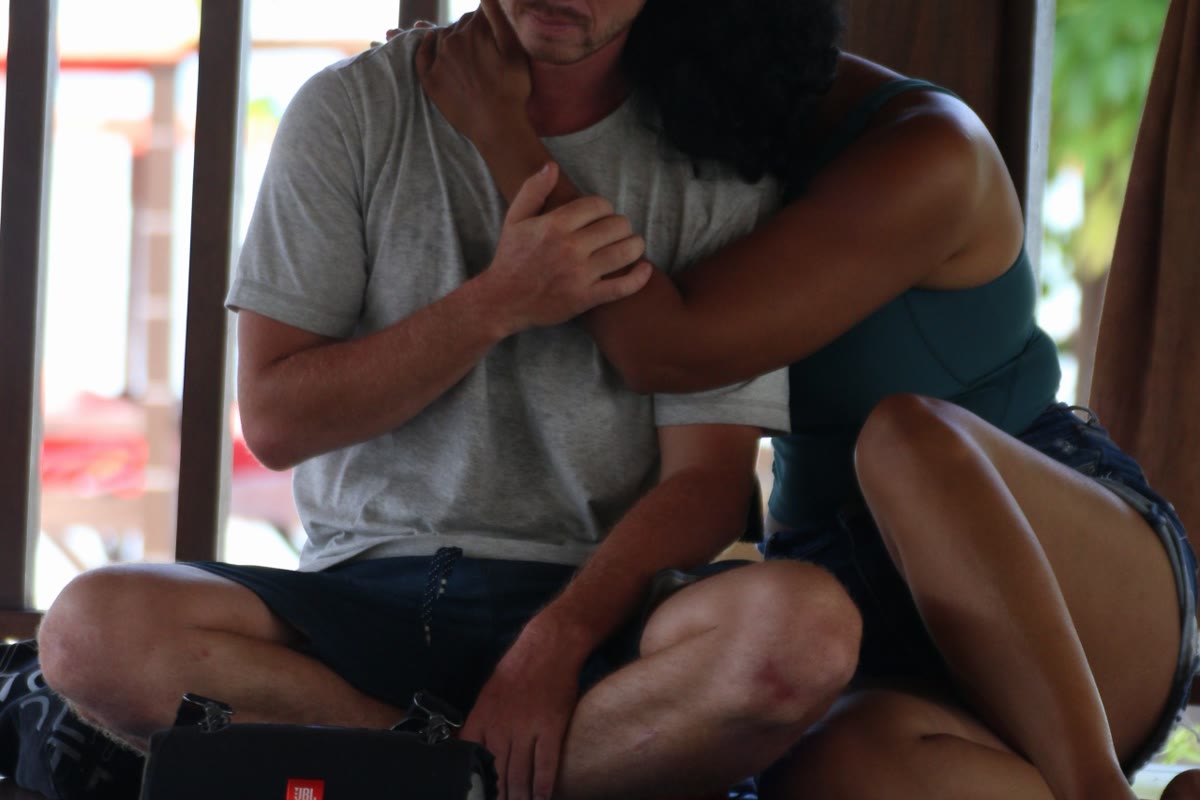
Breathwork can help with trauma by giving the body a safe way to discharge stored survival energy that the nervous system never finished processing. It is powerful and it is not a replacement for therapy. Done too fast or without trauma-aware guidance, it can overwhelm rather than heal.
Trauma is not the same as anxiety or depression, even though they often travel together. Trauma lives in the body. It is the charge left over from a moment your system went into survival mode and never got to complete the response. The fight that did not happen, the flight that was not possible, the freeze that locked the energy in. Years later that charge is still there, showing up as tension, hypervigilance, numbness, or a startle that fires for no reason you can name.
I am a trauma-aware breathwork facilitator on Koh Samui. I have held space for more than 5,000 people, and a real number of them carried trauma into the room. This is the work I take most seriously, because it is the work where getting it wrong does the most harm. Here is how breathwork helps, and just as important, how to stay safe doing it.
How does breathwork help with trauma?
Breathwork can help release the survival energy that trauma leaves stored in the body. Active breathing brings that charge to the surface in a contained way, and the body discharges it through shaking, tears, heat, or sound. The nervous system gets to finish a response it was never able to complete, and the held tension eases.
When something traumatic happens, the body mobilises a huge amount of energy to survive. If that energy never gets to move, it stays bound in the nervous system. Breathwork works directly with the body, below the level of thinking and talking, which is exactly where trauma is stored. As the breath builds, the held material rises, and given a safe container the body lets it go. I have watched people shake for ten minutes and then exhale into a stillness they had not felt in years. This is also why breathwork can make people cry, which I unpack in why somatic breathwork makes you cry.
Why does trauma-aware facilitation matter so much?
Trauma-aware facilitation means working with consent and titration instead of pushing for catharsis. The facilitator goes slow, lets you stay in control, and never forces an opening. Without this, breathwork can flood a traumatised nervous system with more than it can hold and leave the person more dysregulated than before.
The old model of breathwork chased the big release. Push hard, blow the lid off, let it all out. For someone carrying trauma that approach can retraumatise. Trauma-aware work runs on different principles. Consent at every step, so you choose how far you go. Titration, which means touching the edge of the difficult material in small doses rather than diving into all of it at once. And the constant message that you are in control, you can slow down, you can stop. My job is not to break you open. It is to make the room safe enough that your own system opens at the pace it can handle. That is also the heart of what I teach in the facilitator course.
Is breathwork a replacement for trauma therapy?
No. Breathwork is not a replacement for therapy and I never present it as one. It works well alongside professional trauma treatment, helping the body discharge what talk therapy reaches differently. For deep or complex trauma, a trained therapist is essential, and breathwork is a complement to that care, not a substitute.
Breathwork reaches the body. Good trauma therapy reaches the story, the meaning, and the integration, and many therapists now work somatically too. They are different tools doing different jobs. I have seen breathwork move things that years of talking had not, and I have also seen people who needed a therapist holding their process, not a facilitator running a group. Knowing the difference is part of being responsible with this work. If you are in active treatment, tell both your therapist and your facilitator, and let them work in the same direction.
What is the risk of going too fast?
Going too fast can flood a traumatised nervous system, tip a person from release into overwhelm, and leave them dissociated or shut down. The skill in trauma work is pacing. A good facilitator reads your body and slows or stops the breath the moment you move past discharge into distress.
There is a window where the nervous system can process. Stay inside it and the body discharges and settles. Blow past it and you do not heal anything, you just overwhelm the system and it protects itself by numbing out or shutting down. That is the opposite of what we want. This is why I never run trauma work on a fixed protocol. I watch your breathing, your face, your hands, and I adjust in real time. The goal is not the biggest possible release. The goal is the largest release your system can actually integrate, which is usually smaller and slower than people expect. If breathwork ever feels like too much, the tools in nervous system reset breathwork bring you back down.
What does a safe trauma-aware session look like?
A safe session starts with an honest conversation about your history and what you do not want touched. The breathing builds slowly with constant check-ins. You stay in control the whole way. It ends with real integration time and grounding, never a rushed exit straight back into the day.
In practice it looks like this. We talk first, and you tell me what is going on and where your edges are. I explain what might come up, including the tingling and the emotion, so nothing blindsides you. The breath builds gradually and I stay close, watching and coaching. If something heavy rises, I help you stay with it at a pace you can hold, or I slow you down if it is too much. Afterwards we do not just stop. There is time to land, to ground, to let the system settle before you stand up. As I tell everyone, the work is learning to respond and not to react, and that only happens when you feel safe enough to let go.
Working with this in Koh Samui
If you are carrying trauma, the gentler weekly sessions are the place to start, not the deepest experience available. Come talk to me first. Tell me your history honestly, including anything you are in treatment for. That conversation is where the safety begins.
A note on health. This article is general education, not medical or psychological advice. Breathwork does not cure trauma and it does not replace professional mental health care. If you are dealing with trauma, especially complex or severe trauma, please work with a qualified therapist, and disclose your full health and mental health history to any facilitator before a session.
Frequently asked questions
Can breathwork release trauma stored in the body?
It can help. Trauma leaves survival energy bound in the nervous system, and active breathwork brings that charge to the surface where the body can discharge it through shaking, tears, heat, or sound. The nervous system finishes a response it never completed. This works best slowly, with a trauma-aware facilitator, and alongside professional care rather than instead of it.
Is breathwork safe for trauma survivors?
It can be, with the right approach. Trauma-aware breathwork uses consent and titration, going slow and keeping you in control rather than pushing for a big release. Done that way it is safe and helpful for many people. Done fast and forcefully it can overwhelm a traumatised nervous system. The facilitator and the pacing matter more than the technique itself.
Should I do breathwork or see a therapist for trauma?
For trauma, especially deep or complex trauma, a qualified therapist is essential. Breathwork is not a replacement for that. It works well as a complement, reaching the body in a way talk therapy reaches differently. The best outcomes usually come from doing both, with your therapist and facilitator aware of each other and pulling in the same direction.
What if difficult emotions come up during a trauma session?
That is normal and a good facilitator is ready for it. In a trauma-aware session I stay close, help you meet the material at a pace you can hold, and slow or stop the breath if it tips into overwhelm. There is real grounding and integration time at the end. You are never left alone in something heavy or rushed straight back into your day.
Stay in the loop.
Occasional dispatches when sessions open or new writing drops. No spam.
About Diego Pauel
I have lived in Koh Samui for 15 years. I discovered breathwork through freediving, which I have trained in for over a decade. When COVID hit and the island emptied out, I started offering breathwork and ice baths for free to help the local community feel better in their bodies. I was the first to offer this work on the island. Five years later, I have facilitated countless sessions for people from all over the world. No guru energy. No mystical language. Just the work.
Full story →