What Does Breathwork Actually Feel Like?
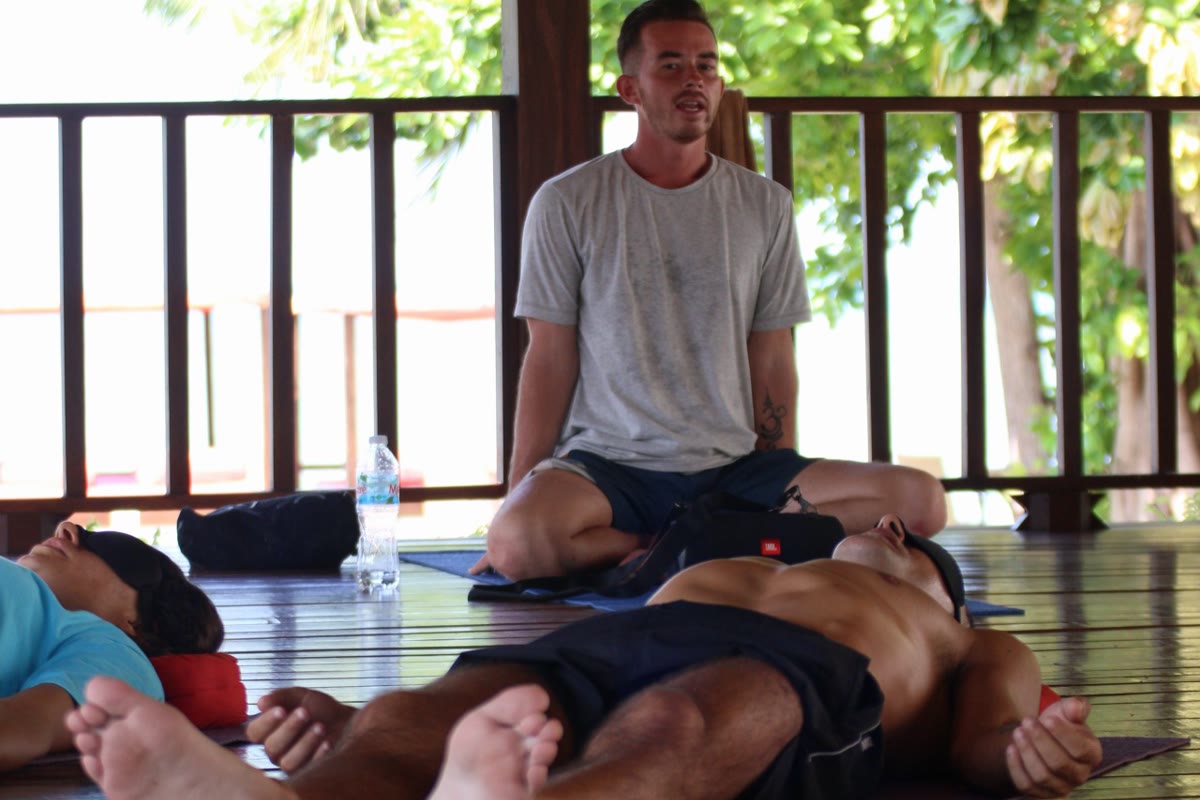
For most people breathwork starts with tingling in the hands and face, then warmth spreading through the body. Emotion can rise without warning. Some get temporary cramping in the hands, which passes. Afterward there is usually a deep calm. Everyone is different though, and feeling very little is also a completely normal experience.
I am Diego, a breathwork facilitator on Koh Samui, and after more than 500 sessions I can tell you the single most common question before someone lies down is what it will feel like. People want to know what is normal so they do not panic mid-session. So here is the honest version, the sensations and the emotions and the parts nobody warns you about.
Why do my hands and face tingle during breathwork?
The tingling comes from breathing faster and deeper than usual, which shifts the balance of carbon dioxide in your blood. That changes how your nerves fire, so you feel pins and needles in your hands, lips, and face. It feels strange the first time but it is a normal, harmless response to the breathing. It fades when you slow down.
This catches almost everyone off guard. You are lying there breathing and suddenly your fingertips and the area around your mouth start buzzing or going slightly numb. Nothing is wrong. It is just chemistry. When you breathe deeply and quickly you blow off more carbon dioxide than normal, and your body responds with that fizzy nerve sensation. As soon as the breathing eases, it settles.
I tell people this beforehand precisely so it does not scare them. Knowing it is coming turns it from alarming into interesting. If you want the full pre-session rundown, I put it in how to prepare for breathwork.
Will I cramp up, and is that dangerous?
Some people get tetany, which is a temporary cramping or clawing in the hands and sometimes the face. It looks dramatic and feels tight, but it is not dangerous and it always passes once you slow the breath. It comes from the same carbon dioxide shift as the tingling. It is uncomfortable, not harmful, and it resolves on its own.
Tetany is the sensation people worry about most because the hands can curl up on their own and feel locked. I understand why that is unsettling the first time. But it is a known, temporary effect of intense breathing, not a sign of harm. Your hands are not stuck. The moment you return to a slower, normal breath, they release.
This is one more reason I stay in the room and watch. If cramping shows up, I guide you to ease the breath and it unwinds. You are never going to be left wondering what is happening to your body. Part of what I do is read these signs and keep you steady, an approach I describe in how freediving shaped my approach to breathwork.
Why do emotions come up during breathwork?
Breathwork quiets the thinking mind and lets the body speak. Feelings you have been holding, grief, anger, joy, can surface and move through you, sometimes as tears you did not expect. This is not a malfunction. It is often the point. The emotion rises, you let it pass, and you usually feel lighter on the other side.
People are sometimes embarrassed when tears arrive out of nowhere. There is nothing to be embarrassed about. When the breath drops you below your usual mental chatter, the body gets a chance to release what it has been carrying. For some it is crying, for others a wave of warmth or a deep sense of relief. None of it requires a story or an explanation.
I went deeper into this in why somatic breathwork can make you cry. The short version is that the emotion is welcome, it is safe to feel it here, and it does not last. It moves through and leaves.
What does it feel like afterward?
Afterward most people feel a clear, settled calm, the kind that is hard to reach on a normal day. The body feels warm and heavy in a good way, the mind goes quiet, and there is often a sense of spaciousness. Some feel energized instead. That calm is usually what brings people back for more.
The shift at the end is the part people remember. The intensity of the breathing gives way to stillness. Many describe it as the most relaxed they have felt in months. The warmth that built during the session settles into a heavy, grounded feeling, and the mental noise that usually runs in the background just stops for a while.
Not everyone feels a dramatic arc, and that matters. If you breathe and feel mostly calm with no fireworks, you did it right. Feeling little is a valid experience, not a failed one. If you want a gentle entry point, start with breathwork for beginners or book a session and find out what your own body does.
The honest answer to what breathwork feels like is that it depends on you. Tingling and warmth are common, emotion is common, cramping happens to some and passes, and calm usually waits at the end. Come without expecting a specific outcome and let your body show you what it needs.
Frequently asked questions
What if I do not feel anything during breathwork?
That is completely fine and more common than people think. Some bodies need a session or two to drop in, and some people simply feel calm rather than intense. Feeling little does not mean you did it wrong or that it failed. The relaxation alone is doing real work, even when nothing dramatic happens.
Is the tingling and cramping safe?
Yes. Both the tingling and the temporary cramping, called tetany, come from a harmless shift in carbon dioxide when you breathe deeply and fast. They feel strange but they are not dangerous and they always pass when you slow the breath. I stay close and guide you through them so you are never left guessing.
Will I lose control during a session?
No. You stay aware the whole time and can slow down, open your eyes, or stop whenever you want. Breathwork can feel intense, but you remain in choice. I keep you oriented to the room and never push you past what your body wants. You are always the one steering.
How long do the sensations last?
The tingling and any cramping last only as long as the intense breathing, then fade within a minute or two of slowing down. Emotional waves rise and pass during the session. The calm afterward is the part that lingers, often for hours and sometimes into the next day.
Stay in the loop.
Occasional dispatches when sessions open or new writing drops. No spam.
About Diego Pauel
I have lived in Koh Samui for 15 years. I discovered breathwork through freediving, which I have trained in for over a decade. When COVID hit and the island emptied out, I started offering breathwork and ice baths for free to help the local community feel better in their bodies. I was the first to offer this work on the island. Five years later, I have facilitated countless sessions for people from all over the world. No guru energy. No mystical language. Just the work.
Full story →