Every Breathwork Technique Explained: A Practitioner's Guide to 15 Breathing Methods
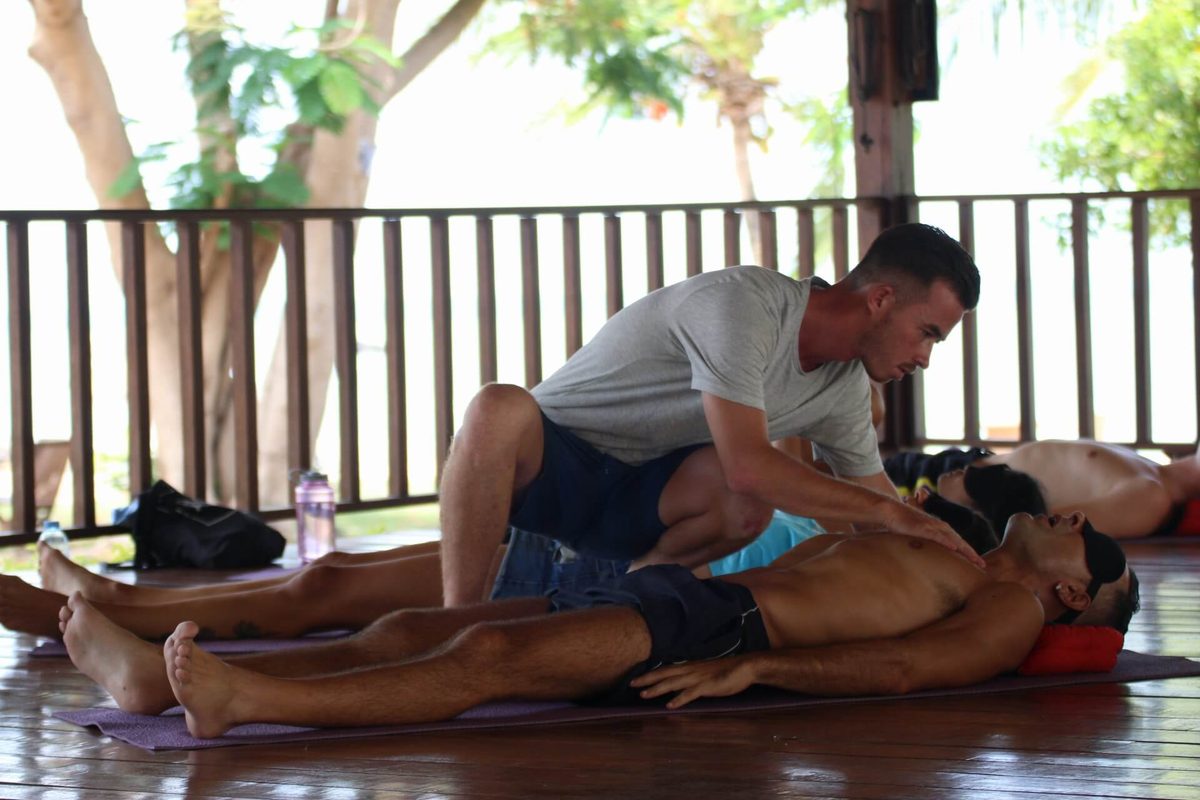
There are dozens of breathwork techniques out there. Maybe hundreds, depending on how you count. Some calm you down. Some fire you up. Some crack you open emotionally in ways you were not expecting. And some are genuinely dangerous if you do them wrong or in the wrong setting.
Breathwork techniques fall into four groups by what they do to your nervous system. Calming techniques activate the parasympathetic brake, activating ones hit the sympathetic gas pedal, transformational ones access emotional release, and functional ones improve baseline breathing. Beginners should start with extended exhale breathing, the safest and most universally effective pattern on the list.
After six years of facilitating breathwork and over 5,000 guided sessions, I have used most of them. I have also watched people get confused by the sheer number of options, try the wrong technique at the wrong time, or avoid breathwork entirely because it all seems too complicated.
It is not complicated. You just need a map.
This guide is that map. Fifteen techniques organized by what they actually do to your nervous system. Not theory. Not Wikipedia summaries. Practitioner notes from someone who teaches this work every day on Koh Samui.
How to Use This Guide
Not all breathing techniques are equal. Some activate your sympathetic nervous system (the gas pedal). Some activate your parasympathetic system (the brake). Some bypass your thinking mind entirely and access emotional material stored in your body.
I have grouped them into four categories based on their primary effect:
- Calming techniques that activate your parasympathetic nervous system
- Activating techniques that stimulate your sympathetic nervous system
- Transformational techniques that access emotional release and altered states
- Functional techniques that improve your baseline breathing health and performance
Each technique includes what it is, why it works, when to use it, and how to do it. I have also added my honest practitioner notes where they matter. Some of these techniques I use daily. Some I teach in every session. Some I only recommend with professional guidance. The distinctions matter.
If you are brand new to all of this, start with extended exhale breathing. It is the safest, simplest, and most universally effective technique on this list. If you already have a practice and want to go deeper, the transformational section will point you in the right direction.
If you want a recommendation based on your current state, take the terrain quiz or use Breathe for This for a specific suggestion.
Calming Techniques (Parasympathetic Activation)
These techniques slow your heart rate, lower blood pressure, and activate the vagus nerve. They shift your nervous system from fight or flight into rest and recovery. Every one of them is safe for beginners, and several of them are powerful enough that experienced practitioners still use them daily.
Extended Exhale Breathing
This is the technique I teach first. If you learn nothing else from this entire guide, learn this.
What it is: You inhale for a count of 4 and exhale for a count of 6 to 8. Any ratio where your exhale is longer than your inhale works. The key is the extended outbreath.
Why it works: The exhale is the parasympathetic phase of your breathing cycle. Every time you breathe out, your heart rate drops slightly. When you deliberately extend that exhale, you amplify the calming signal through the vagus nerve. It is the most direct way to tell your body that you are safe without using words or willpower. Heart rate variability monitors show a measurable shift within the first 60 to 90 seconds.
When to use it: Anxiety, before sleep, during stress, after an argument, before responding to something that triggered you. Essentially any time you need to calm down. This is also the foundation technique behind my recommendations for breathwork for anxiety and breathwork for sleep.
How to do it:
- Sit or lie down. Close your eyes if comfortable.
- Breathe in through your nose for a slow count of 4.
- Breathe out through your nose for a slow count of 6 to 8. Let the exhale be steady and complete.
- Feel your belly soften at the bottom of each exhale.
- Continue for 6 to 10 rounds (about 2 minutes).
If 4 in, 8 out feels forced, start with 3 in, 6 out. The ratio matters more than the exact numbers. You can practice this pattern using the breath pacer.
Coherent Breathing (Resonance Breathing)
If extended exhale is the emergency brake, coherent breathing is the cruise control. This is the daily maintenance technique.
What it is: Equal inhale and exhale, usually 5 seconds each. This produces approximately 6 breaths per minute, which research identifies as the ideal resting breath rate for nervous system balance.
Why it works: At 5 to 6 breaths per minute, your heart rate variability enters an optimal range. HRV is the variation in time between heartbeats, and it is one of the best indicators of nervous system flexibility. Higher HRV means your body adapts to stress faster and recovers quicker. The HeartMath Institute identified 5.5 seconds per phase as the sweet spot. Four minutes of coherent breathing measurably shifts your HRV for the next several hours.
When to use it: Daily practice, stress management, before meditation, evening wind down. This is the technique I recommend for a morning breathwork routine because it sets the baseline for your entire day.
How to do it:
- Sit comfortably with a tall spine.
- Breathe in through your nose for a slow count of 5.
- Breathe out through your nose for a slow count of 5.
- No pause between inhale and exhale. Let one flow into the other, like waves.
- Continue for 4 to 10 minutes.
I came to this technique through freediving. When you are underwater and need to conserve oxygen, you learn very quickly that slow, rhythmic breathing before a dive is not optional. Coherent breathing is essentially what freedivers do before they go under, stripped of the diving context and made into a daily practice. The body does not care whether you are preparing for a dive or preparing for a Tuesday. The physiological response is the same.
4 7 8 Breathing
This one works fast. It is not comfortable. That is the point.
What it is: Inhale for 4 counts, hold for 7 counts, exhale for 8 counts. Popularized by Dr. Andrew Weil, who called it a natural tranquilizer for the nervous system.
Why it works: The extended hold forces your body to sit with rising CO2 levels without panicking. The long exhale then dumps that CO2 and triggers a deep parasympathetic shift. The combination of breath retention and extended exhale creates a stronger calming response than either one alone. It is essentially a forced nervous system reset.
When to use it: Insomnia, acute anxiety, the kind of restlessness where your body is tired but your mind refuses to stop. This is the technique people reach for at 2am when nothing else is working.
How to do it:
- Sit or lie down. Place the tip of your tongue behind your upper front teeth.
- Exhale completely through your mouth.
- Close your mouth. Inhale through your nose for a count of 4.
- Hold your breath for a count of 7.
- Exhale slowly through your mouth for a count of 8.
- That is one cycle. Do 4 cycles total.
Four cycles takes less than two minutes. Most people feel a noticeable shift by the third cycle. If the 7 count hold feels too long at first, shorten all the counts proportionally (try 2, 3.5, 4) and work up.
Box Breathing (Square Breathing)
Navy SEALs use it. Freedivers use it. It works because it forces your nervous system into a rhythm it cannot argue with.
What it is: Four equal phases. Inhale for a count, hold for the same count, exhale for the same count, hold empty for the same count. Most people start with 4 counts per phase. I teach it at 5.
Why it works: The equal phases create a balanced rhythm between sympathetic and parasympathetic activation. The holds on both the inhale and exhale train CO2 tolerance, which is a direct measure of how well your body handles stress. Your nervous system cannot stay in a chaotic state when you impose this kind of rigid structure on it. The structure itself is the medicine.
When to use it: Focus, performance, before any high pressure event, during an ice bath, in the middle of a difficult conversation. This is the go to technique I teach for entering cold water. When your body is screaming at you to get out of the ice, box breathing gives your mind a task that overrides the panic signal.
How to do it:
- Inhale through your nose for 4 to 5 counts.
- Hold your breath with full lungs for 4 to 5 counts.
- Exhale through your nose for 4 to 5 counts.
- Hold your breath with empty lungs for 4 to 5 counts.
- Continue for 5 to 10 rounds.
Once 4 counts feels easy, move to 5, then 6. Advanced practitioners work up to 8 or 10 count phases. The breath pacer has a box breathing mode if you want a visual guide.
Diaphragmatic Breathing (Belly Breathing)
This is not a technique in the traditional sense. It is how you should be breathing all the time.
What it is: Breathing into your belly rather than your chest. When you inhale, your diaphragm contracts downward and your belly expands. When you exhale, everything relaxes back. Your shoulders do not move. Your chest barely moves. The movement happens low and wide.
Why it works: Most adults have trained themselves to chest breathe. Tight clothing, sitting at desks, stress, sucking in the stomach for appearance. All of it pushes the breath up into the upper chest, which keeps the body in a low grade state of sympathetic activation all day. Chest breathing tells your nervous system you are in danger. Belly breathing tells it you are safe. The shift from one to the other changes everything downstream: heart rate, digestion, muscle tension, mental clarity.
When to use it: All the time. This should be your default mode of breathing. Not something you do for five minutes and then go back to chest breathing. Every other technique on this list assumes you are starting from a belly breathing foundation.
How to do it:
- Place one hand on your chest and one on your belly.
- Breathe in through your nose. Your belly hand should push outward. Your chest hand should barely move.
- Breathe out through your nose. Your belly comes back in naturally.
- Shoulders stay relaxed and down the entire time.
- Practice for 3 to 5 minutes, then try to maintain this pattern throughout your day.
If this feels unnatural, that tells you something important about how you have been breathing. It will feel strange for a few days. Then it will feel like coming home.
Activating Techniques (Sympathetic Stimulation)
These techniques raise your heart rate, increase adrenaline, and create a controlled stress response. They are powerful tools when used intentionally. They also carry more risk than calming techniques, which is why each one comes with safety notes.
Wim Hof Breathing
This is powerful. It is also overhyped as the only breathwork that exists. Wim Hof put breathwork on the map for millions of people, and I respect that deeply. But his method is one tool in a very large toolbox, and treating it as the entire practice is like thinking the hammer is the whole workshop.
What it is: 30 to 40 deep breaths (full inhale, relaxed exhale) followed by a breath hold on the exhale. The breathing is deliberate hyperventilation: you are intentionally blowing off CO2 to shift your blood pH toward alkaline. After the breath hold, you take a deep recovery inhale, squeeze, and hold with full lungs.
Why it works: The rapid breathing raises blood pH and triggers adrenaline release. Research from Radboud University showed that practitioners using this method could voluntarily activate their immune system and reduce inflammatory markers by 50 percent compared to a control group. The breath hold on empty lungs creates a deep CO2 buildup that triggers a strong parasympathetic rebound. The combination of activation followed by deep recovery is what creates the euphoric feeling afterward.
When to use it: Morning energy, before cold exposure, when you feel the first signs of getting sick (multiple rounds can support immune response), before physical performance.
How to do it:
- Lie down or sit comfortably. Never do this standing up.
- Take 30 to 40 deep breaths: full inhale through the belly, chest, and head in a wave. Relaxed exhale, just let the air fall out. Do not force the exhale.
- After the last exhale, hold your breath with about 70 percent of the air released. Relax completely.
- Hold until you feel the first strong urge to breathe, then stay 10 seconds longer.
- Take a deep recovery inhale through the nose. Squeeze your pelvic floor, core, and fists. Hold for 15 seconds.
- Release and exhale slowly through the teeth.
- Rest for 2 minutes with normal nose breathing.
- Repeat for 3 to 4 rounds.
Safety: Never do this in water. Not in a pool, not in a bath, not in the ocean. Shallow water blackout from hyperventilation is a real risk and people have died from it. Never do this while driving. Never do this standing up. Always do it lying down or sitting in a safe place where passing out would not cause injury. If you have epilepsy, are pregnant, or have a serious cardiovascular condition, this technique is not for you.
Breath of Fire (Kapalabhati)
If Wim Hof breathing is the sledgehammer, Breath of Fire is the espresso shot. Quick, sharp, and effective for a rapid energy boost.
What it is: Rapid, rhythmic belly pumps. The exhale is forceful and driven by your abdominal muscles. The inhale is passive and happens naturally when you release the contraction. All breathing goes through the nose.
Why it works: The rapid forceful exhalations activate your sympathetic nervous system, raise your heart rate, and increase body temperature. It clears the respiratory system, engages the core, and creates sharp mental alertness. Think of it as a natural alternative to caffeine. I actually call a version of this "Coffee Breath" in my workshops because it replaces the morning cup for many people.
When to use it: Morning practice, before physical activity, when you need an energy boost without caffeine, as a warm up before deeper breathwork.
How to do it:
- Sit upright with a tall spine.
- Take a normal inhale through your nose.
- Exhale sharply through your nose by pulling your belly in forcefully.
- Let the inhale happen naturally as your belly relaxes outward.
- Start with a slow rhythm (one breath per second) and increase speed as you get comfortable.
- Do 10 to 20 breaths per round. Rest with normal breathing. Do 3 rounds.
Safety: Not for pregnant women. Not for people with uncontrolled high blood pressure, epilepsy, or recent abdominal surgery. If you feel dizzy, stop and return to normal breathing.
Tummo Breathing (Inner Fire)
Related to Wim Hof but older and more intentional. Tummo is the grandfather technique that Wim Hof adapted, whether he acknowledges it fully or not.
What it is: A Tibetan Buddhist technique that combines rapid breathing with visualization and muscular contractions to generate internal heat. Monks in the Himalayas used it to sit in freezing temperatures wearing nothing but a thin cotton sheet and dry wet towels draped over their bodies using only the heat they generated internally.
Why it works: The breathing component raises body temperature through the same mechanisms as Wim Hof breathing. But Tummo adds a visualization layer: you imagine a small flame at the base of your spine that grows brighter and hotter with each breath. This is not metaphor or mysticism. Visualization engages the same neural pathways as physical sensation. The combination of breath, muscular engagement, and directed mental focus creates a measurably stronger thermogenic response than breathing alone.
When to use it: Before cold exposure, during meditation, when you want a deeper and more meditative version of what Wim Hof breathing offers. This is the technique I reach for when I want the activation without the intensity of full hyperventilation rounds.
How to do it:
- Sit with a straight spine. Close your eyes.
- Begin with short, sharp exhales through the nose with passive inhales (similar to Breath of Fire). This builds warmth.
- After 20 to 30 breaths, take a deep inhale and hold.
- Visualize a small flame at the base of your spine. With each held second, see it growing brighter and hotter.
- Engage your pelvic floor and core muscles, as if pulling the flame upward through your body.
- Exhale slowly when you need to breathe.
- Continue for 3 to 5 rounds.
Tummo takes more practice than Wim Hof breathing because the visualization component requires sustained focus. But once you develop it, it becomes a richer and more controlled practice.
Transformational Techniques (Emotional Release)
These techniques go beyond nervous system regulation. They access stored emotions, memories, and physical tension that your body has been holding, sometimes for decades. They can be profoundly healing. They can also be overwhelming if done without proper guidance. I do not teach these as home practices. I teach them in facilitated settings where someone is there to hold the space.
Circular Connected Breathing (Conscious Connected Breathwork)
This is the closest thing to the core of what I do in my work. Connected breathing is the engine behind most modern breathwork modalities.
What it is: Continuous breathing with no pause between the inhale and exhale. The breath moves in a circle: in flows directly into out flows directly into in. No gaps, no stops, no moments where the breath is still. The pattern can go through the nose (softer, deeper, slower onset) or through the mouth (more intense, faster access to emotional material).
Why it works: The continuous rhythm bypasses the thinking mind. Your analytical brain needs the pauses between breaths to maintain its usual control. Remove the pauses and something shifts. Stored emotions surface. Physical tension reveals itself. Some people cry. Some laugh. Some feel waves of heat or cold. Some see images or access memories they had forgotten. The breath is not creating these experiences. It is removing the barriers that normally keep them suppressed.
When to use it: In facilitated sessions only. This is not a bedroom technique. A trained facilitator holds the space, watches for signs of overwhelm, guides you through difficult material if it surfaces, and helps you integrate afterward. If you want to experience this, UNTAMED includes facilitated connected breathwork as part of the full day.
How it is done in session:
- You lie on a mat with eyes closed. Music plays.
- The facilitator guides you into the connected pattern: continuous inhale flowing directly into exhale with no pause.
- The breathing continues for 30 to 45 minutes of active work.
- You may experience tingling, temperature changes, emotional waves, involuntary movement, or deep stillness.
- The facilitator then guides you into a rest period of 10 to 15 minutes.
- Integration through sharing or journaling follows.
Safety: Strong emotions can surface without warning. This is the technique most likely to make you cry, shake, or feel things you were not expecting. That is not a side effect. It is the point. But it needs to happen in a container where someone trained is watching. If you have a history of trauma, psychosis, or are taking medications that affect your nervous system, discuss this with your facilitator before the session.
Holotropic Breathwork
Holotropic is the most intense modality on this list. It was developed by Stanislav Grof, a psychiatrist who was using LSD in psychotherapy before it became illegal. When he lost access to LSD, he discovered that sustained deep breathing could access similar states of consciousness.
What it is: Sustained deep, fast breathing through an open mouth for 2 to 3 hours, accompanied by evocative music that moves through distinct emotional phases. Sessions are done in pairs: one person breathes while the other sits as a dedicated support person. The entire experience is highly structured and typically happens in a workshop setting with multiple facilitators.
Why it works: The prolonged hyperventilation, combined with the music and the length of the session, accesses what Grof called "non ordinary states of consciousness." People report experiences ranging from reliving birth memories to encountering archetypal imagery to processing grief they had carried for decades. The extended duration is what makes it different from shorter connected breathing sessions. Two to three hours gives the psyche enough time to move through its defenses and reach material that shorter sessions cannot touch.
When to use it: With certified Holotropic Breathwork practitioners only. This is not something you learn from a YouTube video. Grof Transpersonal Training certifies facilitators through a rigorous multi year program. If you are drawn to this level of depth, find a certified practitioner and attend a proper workshop.
My honest assessment: Holotropic is powerful and legitimate work. It is also not for everyone. The length and intensity can be too much for people who are not ready for it. I have seen profound breakthroughs happen in holotropic sessions. I have also seen people get overwhelmed because they were not adequately prepared. The quality of the facilitation matters enormously.
Somatic Breathwork
This is the closest to what I do in UNTAMED.
What it is: A blend of connected breathing with body awareness, sometimes incorporating movement, sound, or touch. Where holotropic focuses primarily on the breath and music, somatic breathwork pays equal attention to what is happening in the body: where tension is held, where sensation arises, where the body wants to move or make sound.
Why it works: Trauma and chronic stress are not just stored in the mind. They are stored in the body. Your shoulders carry responsibility. Your jaw holds things you did not say. Your hips hold things you were not allowed to feel. Somatic breathwork targets these physical holding patterns directly. The breath opens the door, and then the body does what it needs to do to release: shake, cry, laugh, move, make sound. You do not decide what happens. You create the conditions and let the body lead.
When to use it: In facilitated sessions designed for emotional processing and release. This is deep work. It requires a facilitator who understands trauma, who can read body language, and who knows when to intervene and when to let the process unfold. If you are on Koh Samui and want to experience this firsthand, UNTAMED is built around this approach.
For a deeper look at why these sessions sometimes bring up unexpected emotions, read why somatic breathwork makes you cry.
Functional Techniques (Performance and Health)
These are not about states or experiences. They are about fixing how you breathe at baseline. If the calming and activating techniques are tools you pick up when you need them, these functional techniques change the foundation that everything else sits on.
Nasal Breathing
If I could only teach one thing for the rest of my career, it would be this: breathe through your nose.
What it is: Breathing exclusively through your nose during the day, during light exercise, and during sleep. Your mouth is for eating and talking. Your nose is for breathing.
Why it works: Your nose does things your mouth cannot. It filters particles and pathogens. It warms and humidifies air before it reaches your lungs. Most importantly, it produces nitric oxide, a molecule that dilates blood vessels, improves oxygen absorption, and has antimicrobial properties. Humming through the nose increases nitric oxide production by 15 times compared to quiet nasal breathing.
Patrick McKeown, author of The Oxygen Advantage, has built an entire system around restoring nasal breathing. James Nestor spent years researching this for his book Breath and found that mouth breathing changes the structure of your face, disrupts your sleep, raises your blood pressure, and degrades your dental health. The research is overwhelming. Nose breathing is not a preference. It is a biological requirement that most modern humans have abandoned.
When to use it: All day. During sleep (consider mouth taping if you are a nighttime mouth breather). During light to moderate exercise. The only time mouth breathing is appropriate is during very high intensity effort where nasal breathing genuinely cannot keep up.
How to start:
- Pay attention to how you breathe right now. Mouth open or closed?
- Close your mouth. Breathe through your nose. Tongue on the roof of your mouth.
- If your nose feels blocked, try gentle breath holds while walking: inhale, exhale, pinch your nose, walk 10 to 20 paces, release. Repeat 5 times. This usually opens the passages within minutes.
- During exercise, stay with nose breathing as long as possible. When you need to open your mouth, you have found your current threshold. Train just below it.
Buteyko Breathing
Most people are overbreathing. Buteyko is the system designed to fix that.
What it is: A method developed by Dr. Konstantin Buteyko in the 1950s based on one core principle: most people breathe too much. They take in more air than they need, which depletes CO2 levels and paradoxically reduces oxygen delivery to tissues (the Bohr Effect). Buteyko breathing retrains you to breathe less.
Why it works: Carbon dioxide is not just a waste gas. It is essential for oxygen delivery. When CO2 levels in your blood are too low (from overbreathing), hemoglobin holds onto oxygen more tightly and releases less of it to your cells. By reducing your breathing volume and building CO2 tolerance, you actually improve oxygen delivery despite breathing less air. This is counterintuitive but well established in respiratory physiology.
When to use it: Asthma, chronic overbreathing, anxiety driven by hyperventilation patterns, sleep disordered breathing. Also useful for athletes who want to improve endurance and oxygen efficiency.
How to do it (simplified):
- Sit comfortably. Place one hand on your chest, one on your belly.
- Breathe through your nose only. Gently reduce the volume of each breath. Take in slightly less air than you want to.
- Create a tolerable sensation of air hunger. Not distressing, just a gentle feeling of wanting more air.
- Maintain this reduced breathing for 3 to 5 minutes.
- Practice 2 to 3 times daily.
The full Buteyko method includes walking breath holds, sleep protocols, and progressive exercises. But the core principle is simple: breathe less, through your nose, and build your tolerance for CO2.
BOLT Score Test
This is not a breathing technique. It is a measurement tool. And it is one of the most useful things you can learn.
What it is: The Body Oxygen Level Test, originally developed by Dr. Buteyko to assess the breathing health of cosmonauts without specialized equipment. It measures your CO2 tolerance, which is a reliable indicator of your overall breathing efficiency and, by extension, your stress resilience.
Why it matters: Your BOLT score tells you where your baseline is. A score around 15 seconds means your breathing capacity is low and you should be cautious with intense techniques. 20 to 30 seconds is a healthy range with room for improvement. 40 seconds is the target, indicating good lung capacity utilization and CO2 tolerance. Knowing your number gives you a starting point and a way to measure progress.
How to do it:
- Sit quietly and breathe normally for a minute to settle.
- Take a normal inhale through your nose (not a deep breath).
- Take a normal exhale through your nose (not a full exhale).
- Pinch your nose and start a timer.
- Wait until you feel the first physical urge to breathe: a movement in your diaphragm or throat, not just a mental desire for air.
- Release and breathe in. If your first breath is a gasp, you held too long.
- The number of seconds is your BOLT score.
Test your score using the BOLT tool. Retest weekly to track progress. Consistent nasal breathing, reduced breathing practice, and walking breath holds are the fastest ways to improve your score.
How to Choose the Right Technique
Here is a simple decision guide based on what you are actually feeling:
You are feeling anxious or overwhelmed: Extended exhale breathing or 4 7 8 breathing. Both activate the vagus nerve quickly. Start with extended exhale because it is simpler.
You cannot sleep: 4 7 8 breathing or coherent breathing. The 4 7 8 pattern is faster acting. Coherent breathing is gentler if 4 7 8 feels too intense. Read the full guide on breathwork for sleep.
You need energy: Wim Hof breathing or Breath of Fire. Wim Hof is a full system activation. Breath of Fire is a quick boost. Choose based on how much time you have.
You want to go deep emotionally: Circular connected breathing, with a trained facilitator. Do not attempt this alone until you have experienced it guided. UNTAMED includes this.
You want a daily maintenance practice: Coherent breathing or nasal breathing. These are the two practices that, done consistently, will change your baseline over weeks and months. The morning breathwork routine builds both of these into a 10 minute protocol.
You are preparing for cold exposure: Wim Hof breathing or Tummo. Both prepare the body for the shock of cold water. Read more about cold exposure benefits.
You are not sure what you need: Take the terrain quiz to map your current nervous system state. Or use Breathe for This to get a technique recommendation based on what you are feeling right now.
A Note on Safety
The calming techniques on this list (extended exhale, coherent breathing, 4 7 8, box breathing, diaphragmatic breathing) are safe for virtually everyone. You can practice them daily without guidance.
The activating techniques (Wim Hof, Breath of Fire, Tummo) carry more risk and should be learned properly before practicing alone. The most important rule: never combine hyperventilation breathing with water. Not in a pool. Not in a bathtub. Not in the ocean. Shallow water blackout is silent and it kills.
The transformational techniques (circular connected breathing, holotropic, somatic breathwork) should always be done with a trained facilitator present, at least until you have significant experience and know your own nervous system well.
General contraindications for activating and transformational techniques:
- Pregnancy
- Epilepsy or seizure disorders
- Uncontrolled high blood pressure
- Recent surgery
- Severe cardiovascular conditions
- Acute psychosis or detachment from reality
- Retinal detachment or glaucoma
When in doubt, start with extended exhale breathing. It is the safest and most effective starting point for any person in any condition. You can always go deeper later. You cannot undo going too deep too fast.
Frequently Asked Questions
What is the best breathwork technique for beginners?
Extended exhale breathing. It is simple, safe, and effective. Inhale for 4, exhale for 6 to 8. You can do it anywhere and it works immediately. Once that feels natural, add coherent breathing as a daily practice. These two techniques will cover 80 percent of what most people need. For a complete starting guide, read the complete guide to breathwork.
Which breathing technique is best for anxiety?
Extended exhale breathing for ongoing anxiety management. 4 7 8 breathing for acute moments when you need to shift your state quickly. Both work by activating the vagus nerve and shifting your nervous system from sympathetic to parasympathetic dominance. I wrote a full breakdown in breathwork for anxiety.
How long should I practice breathwork each day?
Ten minutes is enough for a meaningful daily practice. Five minutes compounds over time if you are consistent. The simple techniques (coherent breathing, extended exhale, diaphragmatic breathing) can be done daily with no upper limit. Deeper techniques like Wim Hof breathing are best done once daily, usually in the morning. Facilitated sessions for emotional release work best spaced once a week to once a month to give your nervous system time to integrate.
Can I combine different breathwork techniques?
Yes, and most good practices do. My morning routine combines coherent breathing, extended exhale, and an energizing pattern in a single 10 minute session. The general principle: start calm, go deeper, then return to calm. Do not stack multiple activating techniques back to back without recovery time between them.
What is the difference between pranayama and breathwork?
Pranayama is the breathing tradition from yoga, thousands of years old, with techniques like Kapalabhati, Nadi Shodhana, and Ujjayi. Modern breathwork is a broader category that includes pranayama techniques alongside newer methods like Wim Hof, holotropic, and somatic breathwork. There is significant overlap. Many modern breathwork techniques are pranayama practices with new names. The distinction matters less than finding what works for your body. For a deeper comparison, read breathwork vs pranayama.
Is breathwork the same as meditation?
No, though they complement each other. Meditation trains awareness and attention, usually by observing thoughts without engaging them. Breathwork uses the breath as an active tool to change your physiological state. Meditation is passive observation. Breathwork is active intervention. Many people who struggle with meditation find breathwork easier because it gives the mind something specific to do. I wrote a full comparison in breathwork vs meditation.
Which breathwork technique is used in ice baths?
Box breathing is the primary technique for staying calm during ice bath immersion. Inhale 5, hold 5, exhale 5, hold 5. It gives your mind a structured task that overrides the panic response from the cold. Before the ice bath, Wim Hof breathing or Tummo prepares the body by raising blood pH and generating internal heat. After the ice bath, slow nose breathing supports the parasympathetic recovery. The full protocol is part of UNTAMED and is covered in detail in the cold exposure guide.
Where can I learn breathwork techniques in person?
If you are on Koh Samui or planning a visit, UNTAMED is a full day experience that includes facilitated breathwork, ice bath, and a jungle waterfall hike. It is not a lecture. You practice these techniques with guidance in a setting where the work goes deeper than what any video or article can offer. 155 five star reviews from people who came as skeptics and left changed. Private workshops for groups of 4 to 16 are also available anywhere on the island.
Keep Reading
- The Complete Guide to Breathwork
- A Morning Breathwork Routine You Can Do in 10 Minutes
- Breathwork for Anxiety: What Actually Helps
- Breathwork for Sleep: How to Calm Your Nervous System Before Bed
- What Breathwork Actually Does to Your Nervous System
- Why Somatic Breathwork Makes You Cry
- The Science of Cold Exposure
Stay in the loop.
Occasional dispatches when sessions open or new writing drops. No spam.
About Diego Pauel
I have lived in Koh Samui for 15 years. I discovered breathwork through freediving, which I have trained in for over a decade. When COVID hit and the island emptied out, I started offering breathwork and ice baths for free to help the local community feel better in their bodies. I was the first to offer this work on the island. Five years later, I have facilitated countless sessions for people from all over the world. No guru energy. No mystical language. Just the work.
Full story →