The Difference Between Breathwork and Pranayama (And Why It Matters)
If you practice yoga, you have probably done pranayama. And if you have heard of breathwork, you might have assumed it was the same thing. Breathing exercises, right? Different name, same idea.
Pranayama is the yogic science of breath regulation, thousands of years old, using precise techniques to regulate prana toward meditation. Modern breathwork is younger and broader, using sustained intense breathing for 20 to 60 minutes to shift blood chemistry and engage the nervous system directly. Different traditions, different goals. I draw on both.
Not quite. Pranayama and modern breathwork share one ingredient: the breath. But where they come from, how they work, what they do to your body, and what they are designed for are genuinely different. Understanding that difference matters, especially if you are trying to decide what kind of practice to invest your time in next.
I have spent over a decade working with the breath. First through freediving, where breath control is a survival skill. Then through facilitation, where I have guided over 5,000 people through breathwork sessions. I also draw on pranayama in my personal practice and integrate elements of it into my work. So this is not a comparison where one side wins. This is a clear look at what each practice actually does, so you can make a choice that fits where you are right now.
What Is Pranayama
Pranayama is the yogic science of breath regulation. The word itself comes from two Sanskrit roots: "prana" (life force or vital energy) and "ayama" (extension or control). It is thousands of years old, codified in texts like the Yoga Sutras of Patanjali and the Hatha Yoga Pradipika.
In practice, pranayama involves specific, structured techniques for controlling the inhale, the exhale, and the pauses between them. Some common techniques include Nadi Shodhana (alternate nostril breathing), Kapalabhati (rapid abdominal pumping), Ujjayi (ocean breath), Bhramari (humming breath), and Sitali (cooling breath).
Each technique has a defined purpose. Nadi Shodhana balances the nervous system. Kapalabhati energizes and clears. Ujjayi builds internal heat and focus. These are precise tools, each doing something specific.
Pranayama is traditionally practiced as part of a larger yogic system. It sits alongside asana (posture), meditation, and ethical principles. The goal, classically, is not relaxation or stress relief. It is the regulation of prana, the subtle energy that yogic philosophy says animates the body and mind. In that tradition, mastering the breath is preparation for deeper states of meditation and, eventually, spiritual liberation.
What Is Modern Breathwork
Modern breathwork is a broader, younger category. It includes practices like conscious connected breathing (also called circular breathing), the Wim Hof Method, holotropic breathwork, SOMA breath, and various somatic breathing approaches. Most of these emerged in the 20th century, though some draw on older traditions.
The common thread is that modern breathwork uses sustained, often intense breathing patterns to create measurable physiological shifts. You breathe continuously through the mouth without pausing between inhale and exhale for 20 to 60 minutes. This changes your blood chemistry. Carbon dioxide levels drop. Blood pH shifts toward alkaline. The result is a cascade of physical sensations (tingling, temperature changes, muscle tension) and often emotional release.
The goal is not subtle energy regulation. It is direct nervous system engagement. You are deliberately altering your physiology to access states that the thinking mind cannot reach on its own. Many people experience emotional releases, memories surfacing, deep relaxation, or a sense of clarity that persists long after the session ends. I wrote about the science behind this in what breathwork actually does to your nervous system.
The Key Differences
Intensity and Duration
Most pranayama techniques are gentle. You can practice Nadi Shodhana for five minutes and feel calmer. Even the more activating techniques like Kapalabhati are done in short bursts within a larger practice. The emphasis is on control, precision, and subtlety.
Modern breathwork sessions are often intense. Thirty to sixty minutes of continuous connected breathing is physically demanding. Your body goes through real physiological changes during that time. The experience can be emotionally activating in a way that most pranayama practice is not. That intensity is deliberate. It is what produces the depth of release that people describe as lasting.
The Role of the Facilitator
Pranayama is typically taught by a yoga teacher as one component of a class. You learn the technique, then you practice it yourself. The teacher demonstrates, corrects your form, and moves on. Self practice at home is expected and encouraged.
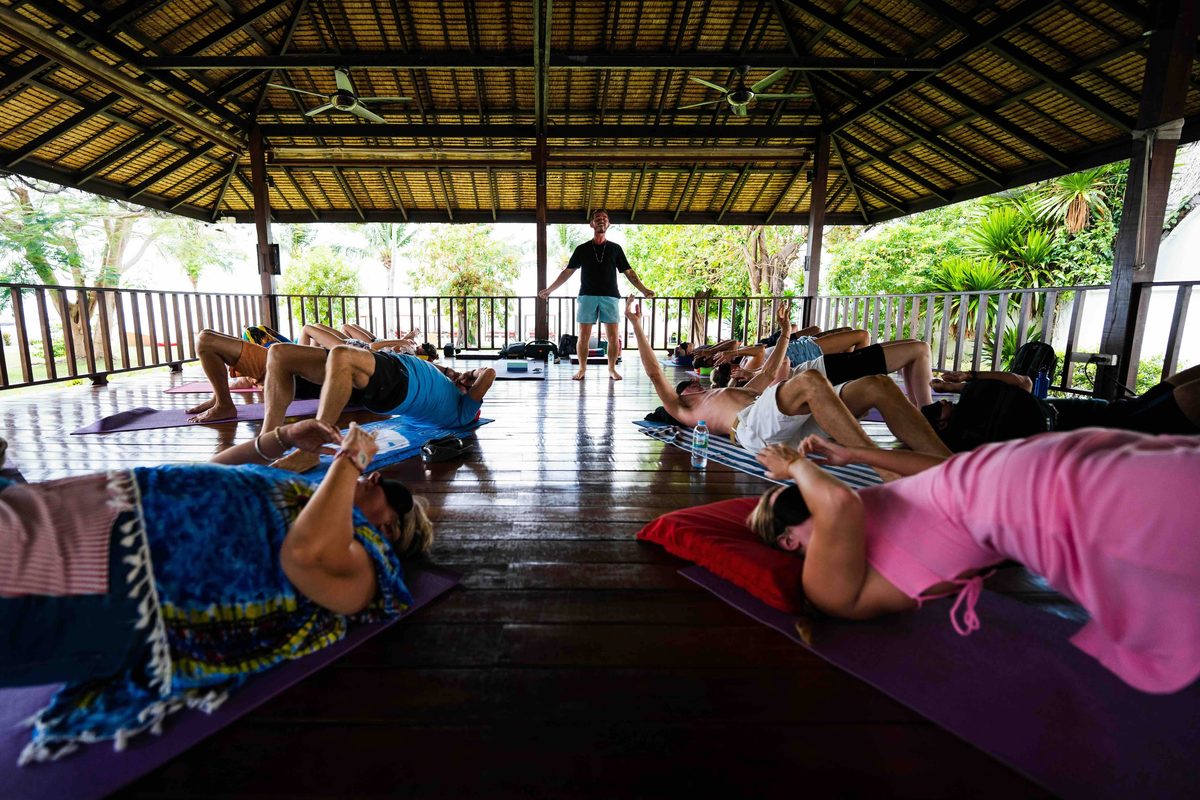
Guided breathwork is a facilitated experience. The facilitator holds the space for the entire session. They use voice, music, and timing to guide you through the breathing pattern and through whatever comes up emotionally. Having someone skilled present matters because the intensity of the experience can bring up material that is difficult to navigate alone. I wrote about what that facilitation looks like in what happens in a breathwork session.
Physical vs Emotional Focus
Pranayama primarily works on the physical and energetic level. You feel calmer, more focused, more balanced. The effects are often described in terms of energy flow, clarity of mind, and preparation for meditation.
Modern breathwork frequently accesses the emotional body. Tears, laughter, grief, relief, anger, joy. These are common and expected in a breathwork session. The practice seems to bypass the cognitive filters that normally keep emotions organized and controlled. For many people, this is exactly why they come: because they are carrying something they cannot think their way through. If you have ever wondered why people cry during breathwork, I covered the science in somatic breathwork and why it makes you cry.
Tradition vs Innovation
Pranayama comes from a lineage. There are teachers, texts, and thousands of years of refinement. This gives it depth, structure, and a framework that extends far beyond the breathing exercises themselves.
Modern breathwork is more eclectic. It borrows from multiple traditions, integrates neuroscience, and evolves quickly. This makes it adaptable but also means the quality of facilitation varies more widely. A pranayama teacher trained in a specific lineage has a clear standard to meet. A breathwork facilitator might have trained in any number of approaches, with any number of hours behind them. This is part of why I built a 21 day facilitator training rather than a weekend certification. Depth takes time.
Which One Should You Try
This depends on where you are and what you need right now.
If you practice yoga and want to deepen your existing practice, pranayama is the natural extension. It builds on what you already do. It refines your relationship with the breath in a way that supports your asana and meditation practice. And you can do it daily on your own once you learn the techniques.
If you are carrying stress, tension, or emotional weight that you have not been able to shift through thinking, talking, or your current practices, modern breathwork is worth trying. It reaches a different layer. Many yoga practitioners who come to one of my sessions tell me afterward that they felt something in 40 minutes of breathwork that they had not accessed in years of yoga. That is not a criticism of yoga. It is a recognition that different tools reach different places.
If you are curious about both, start with whichever one feels more accessible. There is no wrong order. They complement each other well. I use elements of pranayama in my warm up protocols before deeper breathwork sessions because the precision of pranayama prepares the respiratory system for the sustained intensity that follows.
My Experience Using Both
My entry point was neither pranayama nor breathwork. It was freediving. When you hold your breath at 30 meters underwater, your relationship with breathing becomes very practical very quickly. There is no philosophy. There is air management, CO2 tolerance, and staying calm when your body is telling you to breathe.
From freediving I moved into breathwork facilitation, and from there I started integrating pranayama techniques into my own practice and my sessions. Nadi Shodhana before a deep breathwork session helps people arrive in their bodies. Box breathing builds the CO2 tolerance that makes sustained breathwork more accessible. Ujjayi creates the internal heat that deepens the physical experience.
What I have learned is that the labels matter less than the practice itself. Your nervous system does not care whether you call it pranayama or breathwork. It responds to the pattern, the depth, the rhythm, and the intention. The value of understanding the difference is not about choosing a team. It is about knowing which tool to reach for when.
Trying Breathwork in Koh Samui
If you are in Koh Samui and you want to experience what guided breathwork feels like combined with cold exposure, UNTAMED is a full day experience that includes breathwork, ice bath, jungle, waterfall, and lunch. Hotel pickup included. It is designed for people at every level, including complete beginners and experienced yoga practitioners who want to go deeper.
For groups, I offer private workshops anywhere on the island. Two hours of breathwork and ice bath for 4 to 16 people.
If you want to start with something gentle before committing to a session, I put together a breathing guide you can try right now.
Keep Reading
Frequently asked questions
What is the difference between breathwork and pranayama?
Pranayama is the yogic science of breath regulation, thousands of years old, built from precise techniques like Nadi Shodhana and Kapalabhati practiced within a larger yogic system. Modern breathwork is younger and broader. It uses sustained, often intense breathing for 20 to 60 minutes to create measurable shifts in blood chemistry and the nervous system. Pranayama works on the energetic level. Breathwork reaches the emotional body more directly.
Is pranayama more gentle than breathwork?
Generally yes. Most pranayama techniques are gentle and precise. You can practice Nadi Shodhana for five minutes and feel calmer. Even activating techniques like Kapalabhati are done in short bursts. Modern breathwork sessions are often intense, with 30 to 60 minutes of continuous connected breathing that is physically demanding and emotionally activating. That intensity is deliberate. It is what produces the depth of release people describe as lasting.
Which should I try first, breathwork or pranayama?
If you practice yoga and want to deepen it, pranayama is the natural extension and you can do it daily on your own. If you are carrying stress or emotional weight you cannot shift through thinking or talking, breathwork reaches a different layer. If you are curious about both, start with whichever feels more accessible. There is no wrong order. They complement each other well.
Can you combine pranayama and breathwork?
Yes, and I do. I use elements of pranayama in my warm up protocols before deeper breathwork because its precision prepares the respiratory system for the sustained intensity that follows. Nadi Shodhana helps people arrive in their bodies. Box breathing builds the CO2 tolerance that makes sustained breathwork more accessible. Your nervous system does not care which label you use. It responds to the pattern, depth, rhythm, and intention.
Why do yoga practitioners feel more in breathwork than in years of yoga?
Many yoga practitioners who come to one of my sessions tell me they felt something in 40 minutes of breathwork they had not accessed in years of yoga. That is not a criticism of yoga. Modern breathwork uses sustained intense breathing that quiets the cognitive filters keeping emotions organized, so stored material can surface and release. Different tools reach different places. It is about knowing which one to reach for and when.
Stay in the loop.
Occasional dispatches when sessions open or new writing drops. No spam.
About Diego Pauel
I have lived in Koh Samui for 15 years. I discovered breathwork through freediving, which I have trained in for over a decade. When COVID hit and the island emptied out, I started offering breathwork and ice baths for free to help the local community feel better in their bodies. I was the first to offer this work on the island. Five years later, I have facilitated countless sessions for people from all over the world. No guru energy. No mystical language. Just the work.
Full story →