What 5,000+ People Taught Me About Holding Space
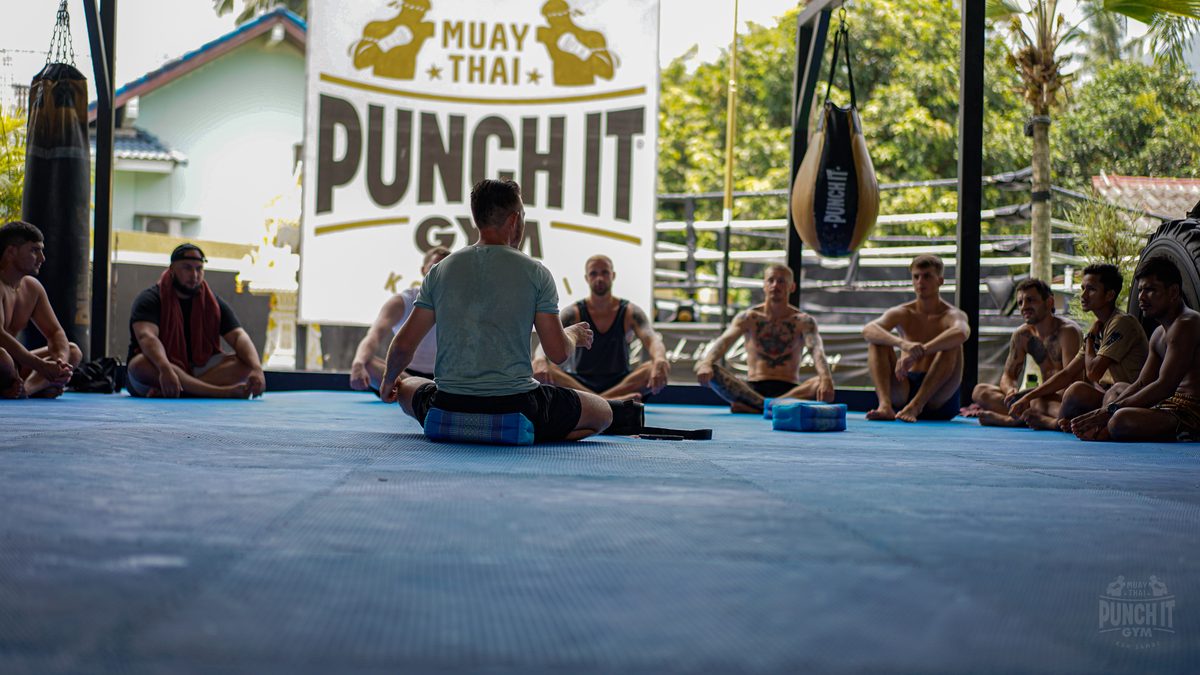
I started offering breathwork and ice baths on Koh Samui in 2020, during COVID, when the island was empty and the world was confused. Nobody asked me to. There was no business plan. I just knew the practice had changed something fundamental in me through my years of freediving, and I wanted to share it.
After guiding over 5,000 people through breathwork and ice baths on Koh Samui since 2020, the biggest lesson is that your presence matters more than your technique. People do not need you to fix anything. They need calm, steady space to feel what they are carrying. The ice bath, meanwhile, teaches honesty faster than anything I know.
Six years and over 5,000 people later, the work has taught me far more than I have taught anyone. Every person who has lain down on a mat in front of me, every person who has stepped into an ice bath with shaking legs, every person who has cried or laughed or sat in stunned silence afterward has shown me something about what it means to hold space for another human being.
These are the lessons. None of them came from a textbook.
Your Presence Matters More Than Your Technique
Early on, I was obsessed with getting the technique right. The exact breathing pattern. The right tempo. The correct cues at the correct moments. I had learned breath control through freediving, where precision matters because your life depends on it. I brought that same precision to facilitation.
What I did not understand yet is that the people on the mat are not responding primarily to your technique. They are responding to your presence. They can feel whether you are fully in the room with them or somewhere in your head thinking about what comes next. They can feel whether you are comfortable with whatever arises or whether you are hoping things stay neat and controlled.
I noticed this because the sessions where I was most technically precise were sometimes the flattest. And the sessions where I was most relaxed, most fully in the room, were the ones where people went deepest. The breath pattern matters. But your nervous system speaks louder than your words.
People Do Not Need You to Fix Anything
This one took me a long time to learn. When someone starts crying on the mat, your instinct is to go to them. Say something comforting. Touch their shoulder. Let them know it is okay.
Sometimes that is right. But most of the time, the most powerful thing you can do is nothing. Stay present. Stay calm. Let them have their experience without inserting yourself into it. The moment you rush over to comfort someone, you are sending an unspoken message: what you are feeling is a problem that needs to be solved.
It is not a problem. It is a release. And if you let it happen without interference, the person on the other side of it almost always tells you it was exactly what they needed. Not your words. Not your comfort. Just the space to feel what they had been carrying without anyone trying to make it stop.
This is the hardest skill in facilitation. Doing less. Trusting the process. Trusting the person.
The Ice Bath Teaches Honesty Faster Than Anything
Breathwork is internal. You can hide in it a little. You can keep a calm exterior while everything moves inside. The ice bath strips that away completely.
When someone steps into water at 5 to 8 degrees, you see exactly who they are in that moment. Some people go quiet and still. Some people scream. Some people laugh. Some people cry before they even get in because they are facing the edge of their comfort and it brings up everything they have been avoiding.
After watching hundreds of people go through this, I have learned that the ice bath does not build toughness. It builds honesty. You cannot pretend in cold water. Your body will not let you. And that moment of forced honesty, of dropping every mask because your physiology demands it, is where the real transformation happens.
As a facilitator, my job at the ice bath is simple. Be steady. Be present. Remind them to breathe. And let them meet themselves without looking away.
Everyone Carries Something
In six years of this work, I have never met a person who did not carry something. Not once. The businessman on holiday who looks perfectly fine. The yoga teacher who seems completely centered. The backpacker in their twenties who says they are just curious. Everyone carries something.
You do not need to know what it is. You do not need them to tell you. You just need to create a space safe enough that if it wants to move, it can. Sometimes it surfaces and they process it during the session. Sometimes it stays quiet and moves slowly over the days that follow. Sometimes nothing visible happens and they sleep better that night for the first time in months.
What this has taught me is to never assume anything about anyone based on how they present themselves. The person who walks in smiling might need this the most. The person who seems skeptical might be the one who goes deepest. I have stopped trying to predict what will happen for each person and started just being available for whatever does.
Silence Is Not Empty
When I first started facilitating, I filled the silence. More cues. More guidance. More words. I was uncomfortable with quiet because quiet felt like nothing was happening.
Five hundred people later, I know that silence is where most of the work happens. After the active breathing, when the music softens and the room goes still, that is when things integrate. That is when the nervous system processes what just moved. That is when people access the parts of themselves that words cannot reach.
Learning to be quiet, fully present but quiet, was one of the most important shifts in my facilitation. If you watch experienced facilitators across any modality, you will notice the same thing. They speak less than beginners. Not because they know less. Because they have learned that the space between words is where the real work lives.
The Facilitator Is Not Above the Process
I still do my own breathwork regularly. I still get into the ice bath. I still have sessions where something unexpected surfaces and I need to process it.
This is not optional. A facilitator who has stopped doing their own work will eventually hit a ceiling in what they can hold for others. You can only guide someone as deep as you have been willing to go yourself. If there are parts of your own experience you are avoiding, that avoidance will show up in how you hold space. You will unconsciously steer people away from the places that make you uncomfortable.
Every facilitator I respect has an active personal practice. Not just teaching. Doing. Being in the fire themselves, regularly, so they remember what it feels like on the other side of the mat.
Small Groups Go Deeper Than Large Ones
I have worked with one person at a time and groups up to sixteen. Both work. But the container feels different.
In small groups, say two to six people, there is an intimacy that allows individuals to let go more fully. They feel seen. They feel safe. This is why our private workshops cap at 16 and work best with smaller groups. The energy in the room is concentrated rather than diffused. After the session, the sharing circle has space for everyone to speak without rushing.
In larger groups, the collective energy is powerful. When twelve people breathe together, the room takes on a vibration you can feel physically. But individuals sometimes hold back because there are more eyes in the room, even if those eyes are closed. The sharing afterward becomes harder to contain.
Both formats have value. But if someone asks me where they will go deepest, I almost always say smaller. The work is personal. Intimacy supports it.
You Cannot Rush Integration
People often want to talk immediately after a breathwork session. They want to understand what happened. They want to analyze and categorize and make sense of the experience using their thinking mind.
I have learned to slow that down. After the session, we sit. We drink water. We let the body settle. If we are doing UNTAMED, we eat lunch together, we walk through the jungle, we sit at a waterfall. The conversation happens naturally, when the body is ready, not when the mind demands it.
The best processing often happens not in the moment but in the days that follow. I tell people this before they leave. Pay attention to your dreams tonight. Notice what feels different tomorrow. The breath opened something. Your system needs time to reorganize around it. Do not try to force understanding. Let it arrive.
What This Means for the People I Train
Everything I have described here is what I teach in the 21 day facilitator course. Not from a manual. From six years of doing this work every week with real people in a real setting.
You cannot learn to hold space from a weekend course or an online certification. You learn it by being held yourself. You also learn to use practical tools like the nervous system terrain map to understand where your participants are before a session even starts. By watching someone navigate a difficult moment in front of you. By making mistakes and learning what rushing feels like compared to patience. By sitting in your own discomfort enough times that you stop being afraid of someone else's.
The course is 21 days because that is the minimum time needed to move from knowing the techniques to embodying the practice. You do not just learn the breathing patterns. You learn how to read a room. How to stay grounded when someone is falling apart. How to trust the silence. How to hold the ice bath space for someone who is terrified. How to let people have their experience without making it about you.
If you have been thinking about facilitating breathwork and you want to learn from someone who has been in the room for over 500 sessions, new cohort dates are being confirmed in Koh Samui. You can read the full details here or reach out on WhatsApp to talk about whether it is the right fit for where you are.
Keep Reading
Frequently asked questions
What matters most in facilitating breathwork, technique or presence?
Presence. Early on I was obsessed with getting the technique right, the exact pattern and tempo, because I learned breath control through freediving where precision keeps you alive. But people on the mat are not responding primarily to your technique. They feel whether you are fully in the room or in your head thinking about what comes next. My most technically precise sessions were sometimes the flattest. The ones where I was most relaxed and present were where people went deepest.
What should a facilitator do when someone cries during breathwork?
Usually nothing. The instinct is to rush over, say something comforting, touch their shoulder. But most of the time the most powerful thing is to stay present, stay calm and let them have their experience without inserting yourself. Rushing to comfort sends an unspoken message that what they are feeling is a problem to be solved. It is not a problem, it is a release. Let it happen without interference and people almost always say it was exactly what they needed.
Why does the ice bath reveal so much about a person?
Because you cannot pretend in cold water. Breathwork is internal, so you can hide in it a little and keep a calm exterior while everything moves inside. The ice bath strips that away. At 5 to 8 degrees you see exactly who someone is in that moment. After watching hundreds of people, I have learned the ice bath does not build toughness, it builds honesty. That moment of dropping every mask because your physiology demands it is where real transformation happens.
Do small groups or large groups go deeper in breathwork?
Smaller, almost always. In groups of two to six there is an intimacy that lets individuals let go more fully. They feel seen and safe, the energy is concentrated rather than diffused, and the sharing circle afterward has room for everyone. Larger groups have powerful collective energy, and when twelve people breathe together the room takes on a vibration you can feel, but individuals sometimes hold back with more eyes present. The work is personal, and intimacy supports it.
Why is breathwork facilitator training 21 days and not a weekend?
Because 21 days is the minimum needed to move from knowing the techniques to embodying the practice. You cannot learn to hold space from a weekend course or an online certification. You learn it by being held yourself, by watching someone navigate a difficult moment in front of you, and by sitting in your own discomfort enough times that you stop being afraid of someone else's. You learn to read a room, trust the silence and hold the ice bath space for someone who is terrified.
Stay in the loop.
Occasional dispatches when sessions open or new writing drops. No spam.
About Diego Pauel
I have lived in Koh Samui for 15 years. I discovered breathwork through freediving, which I have trained in for over a decade. When COVID hit and the island emptied out, I started offering breathwork and ice baths for free to help the local community feel better in their bodies. I was the first to offer this work on the island. Five years later, I have facilitated countless sessions for people from all over the world. No guru energy. No mystical language. Just the work.
Full story →